Even when you have good makeup products and know the basic steps, small mistakes can make your finished look seem uneven, heavy, or less natural than you intended. The problem is not always the products themselves. Often, it comes down to choosing the wrong shade, using too much product, or overlooking details that affect the overall result. If you are still building your basic makeup routine, start by choosing products and steps that work for your needs rather than trying to use everything at once.
The good news is that most makeup mistakes are easy to correct once you know what to look for. Here are 10 common mistakes to watch for and simple ways to fix them.
1. Using the Wrong Foundation Shade
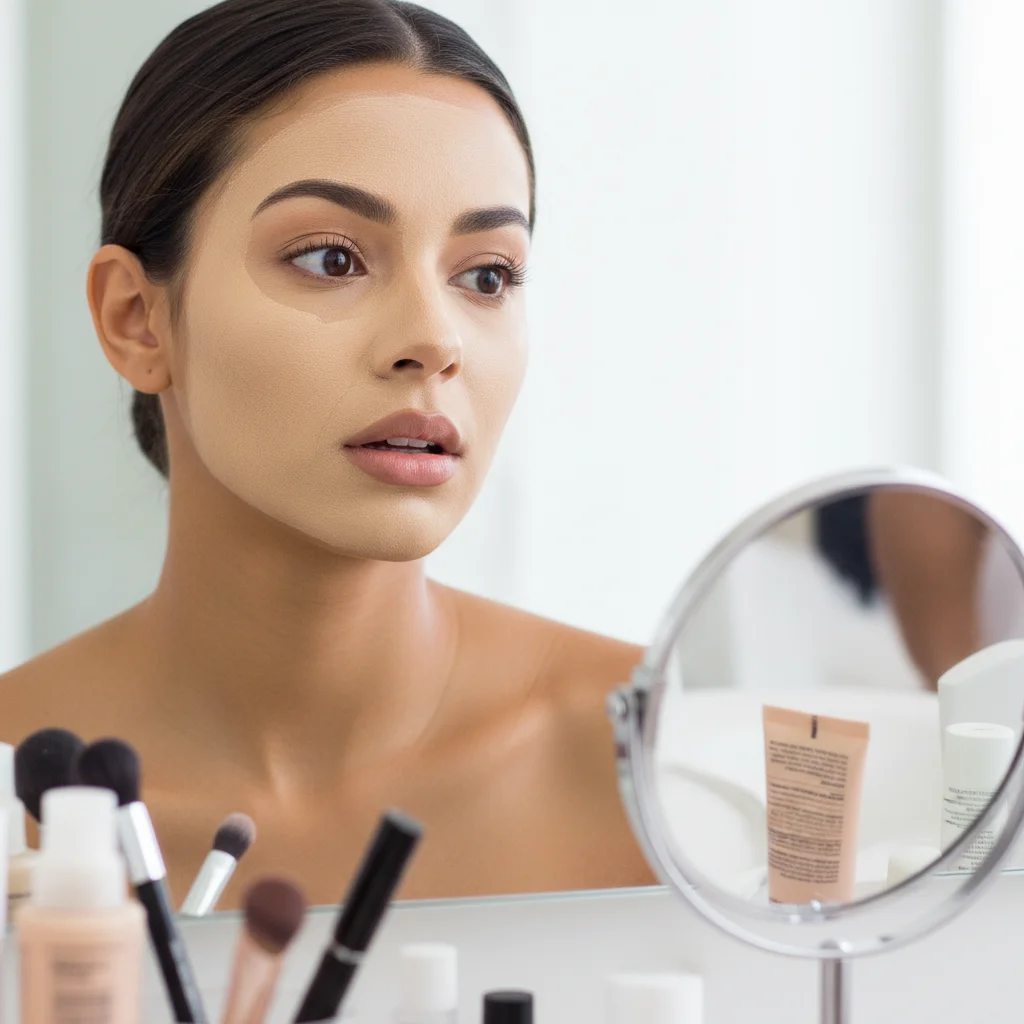
One of the most noticeable makeup mistakes is choosing a foundation shade that does not match your skin. A shade that is too light, too dark, or noticeably different from your undertone can make your face look disconnected from your neck.
Instead of choosing a shade based only on how it looks in the bottle, compare it with your skin in good lighting. If possible, test a small amount near your jawline rather than relying only on your hand. When choosing makeup products, look for formulas and shades that suit your skin and the finish you want.
How to fix it: Choose a shade that blends naturally into the area between your face and neck. Check the color in natural light before deciding.
2. Skipping Skin Prep
Makeup sits on the skin, so the condition of your skin can affect how your finished look appears. Applying makeup to skin that feels very dry or insufficiently moisturized can make the result look less smooth.
This does not mean you need a complicated routine. The goal is simply to start with skin that is clean and appropriately moisturized for your needs.
How to fix it: Give your skincare products a little time to settle before applying makeup. Avoid applying makeup immediately over a layer that still feels wet or slippery.
3. Using Too Much Makeup
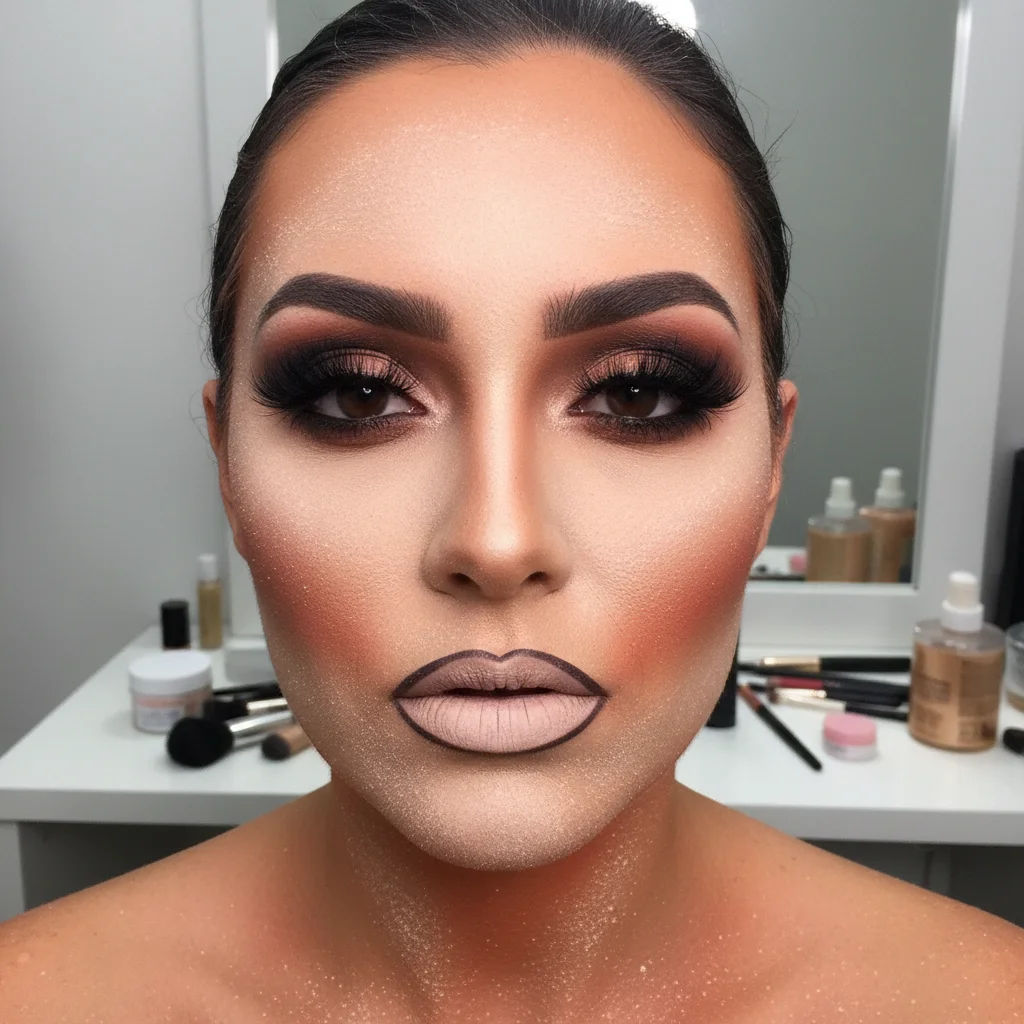
Adding more product does not necessarily create better coverage or a more polished look. Heavy layers can make makeup look thick and can make imperfections more noticeable rather than hiding them.
This can happen when you keep adding foundation or concealer because the first layer does not seem to provide enough coverage.
How to fix it: Start with a small amount and add only where you actually need more coverage. Building gradually is usually easier than trying to remove excess product later.
4. Not Blending Properly
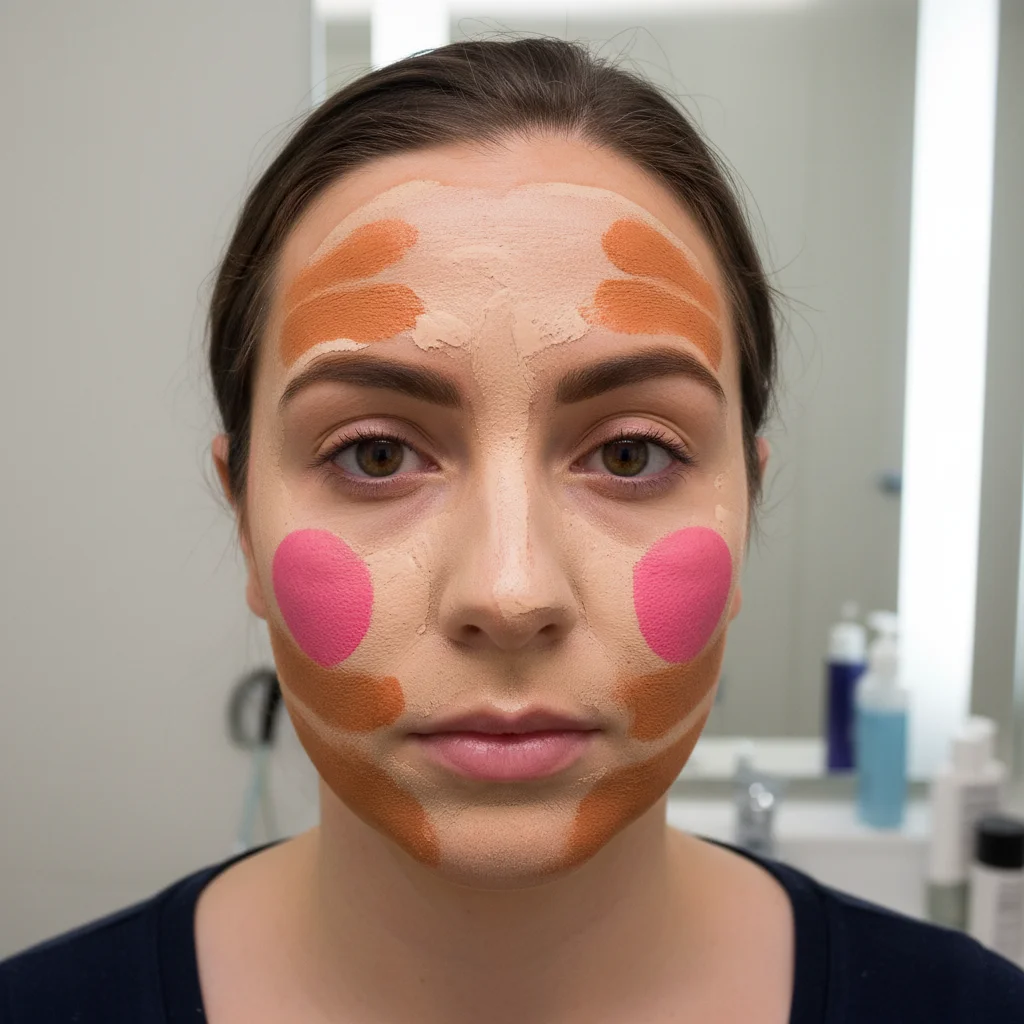
Visible edges between makeup products can make an otherwise good look appear unfinished. Uneven areas may be especially noticeable around the face, jawline, or where different products meet.
Blending does not mean repeatedly working the product into the skin until there is almost nothing left. It means making sure there are no obvious lines or patches between areas.
How to fix it: Check your makeup from several angles after applying it. If you notice a visible edge, lightly blend the area until the transition looks seamless. For more guidance, see our guide on how to apply make up.
5. Applying Too Much Powder
Powder can be useful for reducing unwanted shine and helping makeup stay in place, but using too much can make the complexion appear dry or overly matte. It may also emphasize skin texture that you would rather leave less noticeable.
Applying powder everywhere by habit is not always necessary.
How to fix it: Use a lighter amount and concentrate it where you actually need it, such as areas that tend to become shiny. Step back and check the overall finish before adding more.
6. Applying Blush or Bronzer Too Heavily
Blush and bronzer can add dimension and color to the face, but too much can quickly become distracting. A color that looked subtle when first applied may appear much stronger once the rest of your makeup is finished.
The issue is not necessarily the product. It can simply be the amount or intensity.
How to fix it: Start with a small amount and build gradually. If the color becomes too strong, use a clean brush or sponge to soften the appearance rather than immediately adding another product over it.
7. Making Brows Look Too Heavy
Overly dark or heavily defined brows can change the balance of the entire face. This can happen when the brow product is much darker than the natural hair or when too much product is applied in an attempt to create definition.
Brows do not need to look heavily filled in to look polished.
How to fix it: Use less product and focus on creating a natural-looking shape. If the brows look too intense, gently soften them with a clean spoolie.
8. Making Eye Makeup Too Harsh
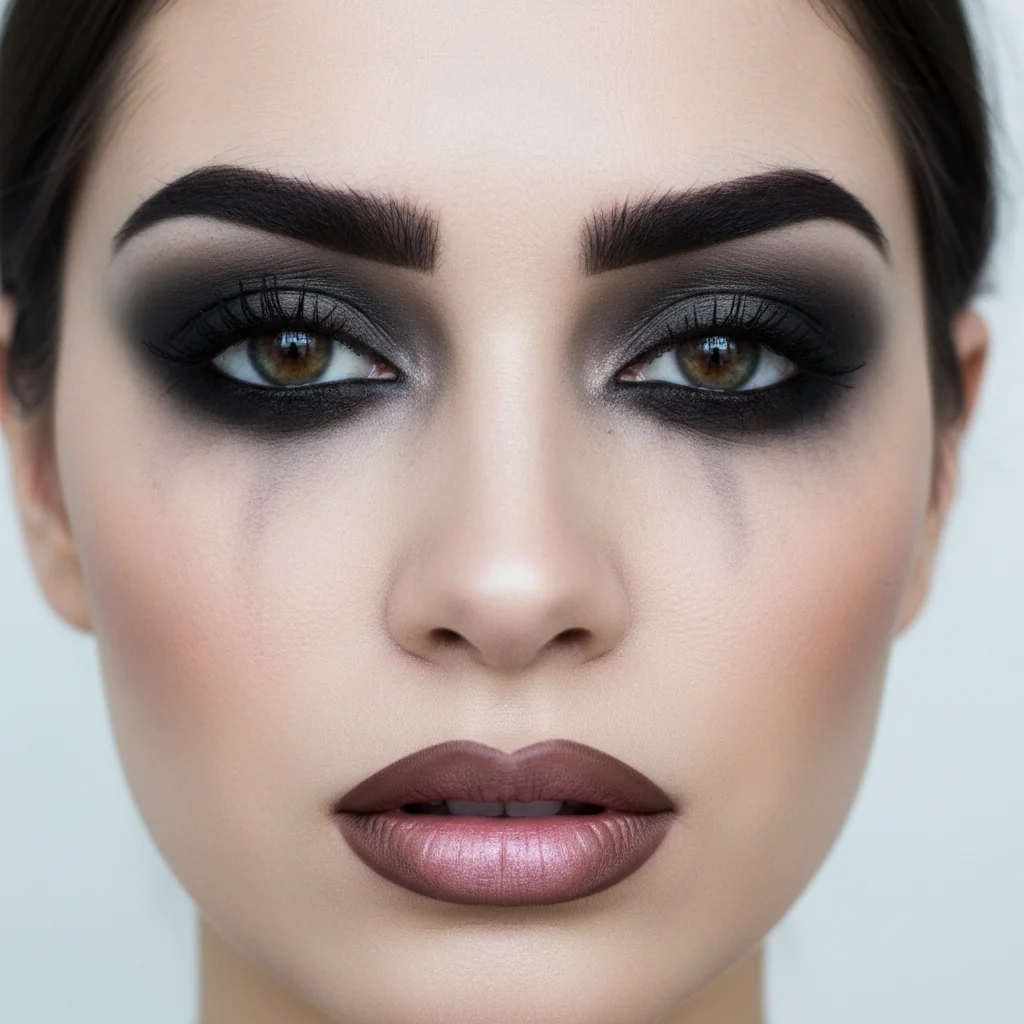
Eye makeup can become overwhelming when several elements are too strong at once. Very dark lines, heavy shadow, or excessive product can make the eye area appear more dominant and change the overall balance of the look.
This is particularly easy to notice when the rest of the makeup is relatively subtle.
How to fix it: Look at your eye makeup together with the rest of your face rather than judging it on its own. If one element stands out too strongly, soften it before adding anything else.
9. Using Lip Products That Don’t Work Together
Lip products can look different when combined than they do individually. A lip liner that is much darker than the lipstick, for example, can create a noticeable outline that does not blend naturally with the rest of the look.
The same applies when the color or finish of the products feels inconsistent.
How to fix it: Choose lip colors that complement each other rather than competing for attention. After applying them, check the transition between the liner and the main lip color.
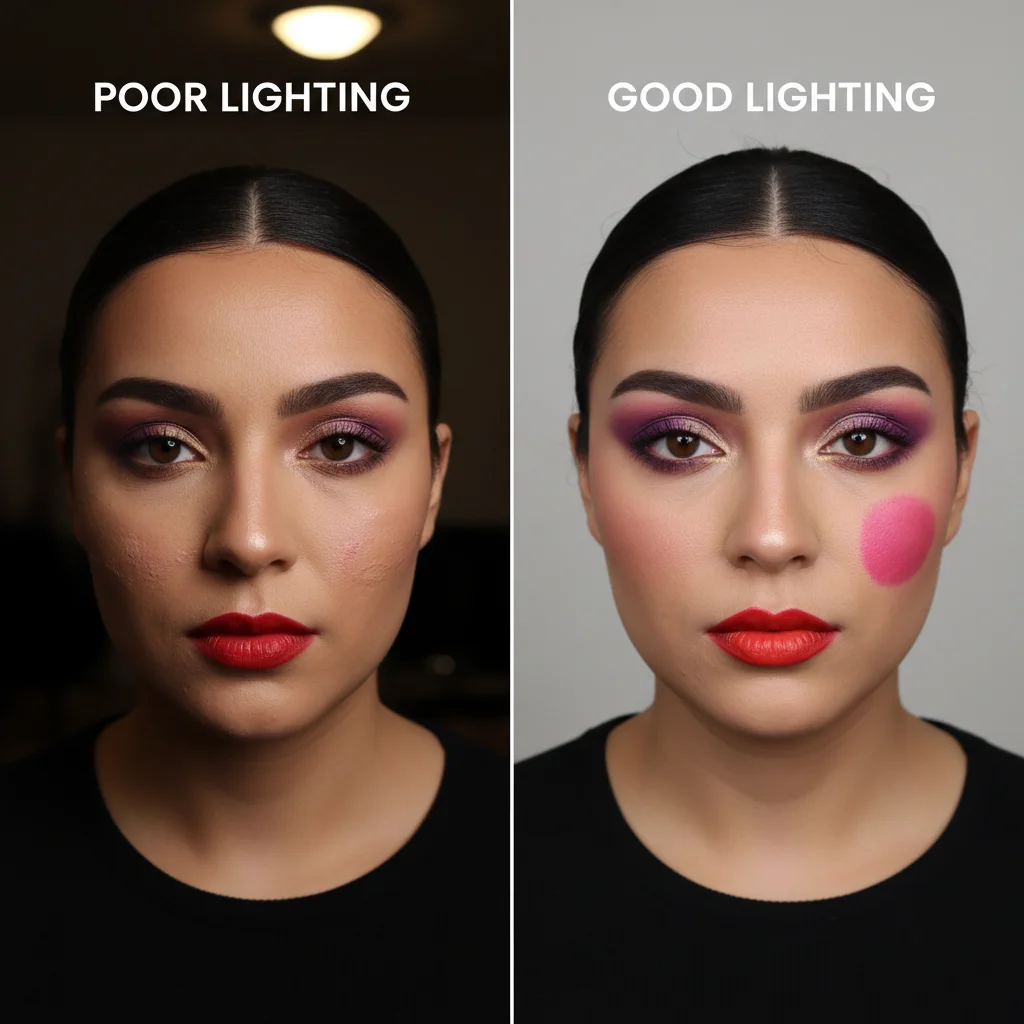
10. Not Checking Your Makeup in Good Light
One of the easiest mistakes to overlook is failing to check your finished makeup under suitable lighting. Makeup that looks balanced in dim indoor lighting may look very different in daylight.
Uneven blending, excessive powder, or an overly strong blush can become much easier to notice once you step into brighter light.
How to fix it: Before leaving home, check your makeup near a window or in another well-lit area. Look at your face from different angles rather than relying on one mirror view.
How to Fix Common Makeup Mistakes
If your makeup does not look quite right, resist the temptation to immediately add more product. First, identify what is causing the problem.
- Foundation looks mismatched: Recheck the shade near your jawline.
- Makeup looks heavy: Remove some excess rather than adding another layer.
- The complexion looks too matte: Check whether you have used more powder than necessary.
- Blush or bronzer looks too strong: Soften the color with a clean brush.
- Brows look too dark: Brush through them to distribute and reduce excess product.
- Eye makeup looks harsh: Soften the strongest edges or reduce the intensity.
- Lip products look disconnected: Blend the colors so they transition more naturally.
- Something looks uneven: Check the finished makeup in better lighting.
The goal is not to make every part of your makeup perfectly noticeable. A polished look usually comes from keeping the overall result balanced.
Common Makeup Mistakes: Quick Checklist
Before finishing your makeup, take a quick look at:
| Check | What to look for |
|---|---|
| Foundation shade | Does it blend naturally with your skin? |
| Skin prep | Does your skin feel comfortable rather than overly dry or slippery? |
| Product amount | Are any areas covered with unnecessary layers? |
| Blending | Are there visible edges or transitions? |
| Powder | Does the finish look balanced rather than overly matte? |
| Blush and bronzer | Does the color look subtle and balanced? |
| Brows | Do they look defined without appearing too heavy? |
| Eye makeup | Does it complement the rest of your face? |
| Lip products | Do the colors work naturally together? |
| Final check | Does everything still look balanced in good lighting? |
Frequently Asked Questions
What are the most common makeup mistakes?
Some of the most common makeup mistakes include using the wrong foundation shade, applying too much product, skipping skin preparation, using too much powder, and creating overly heavy features. Checking your makeup in good lighting can also help you catch problems before you leave home.
What should I check if my makeup doesn’t look right?
Start by checking the foundation shade, amount of product, blending, powder, and overall balance of your makeup. Good lighting can also reveal problems that are difficult to notice in dim indoor light.
Should I remove my makeup if I make a mistake?
Not always. Small mistakes can often be corrected without starting over. Remove excess product, soften strong areas with a clean brush or sponge, or blend visible edges. If the problem is more extensive, removing the affected area and reapplying it may be easier.
How do I know if I have applied too much makeup?
Step away from the mirror and look at your entire face rather than focusing on individual areas. If one feature immediately draws your attention because it appears much stronger than the others, you may have used too much product or intensity there.
Final Thoughts
Good makeup is not only about having the right products. Small choices can make a significant difference in how everything looks together. By recognizing common makeup mistakes and knowing how to correct them, you can avoid unnecessary layers, overly strong features, and an unbalanced finished look.
When in doubt, step back, check the overall result, and make small adjustments rather than adding more product. Often, a lighter touch is all you need.
Sources:
- American Academy of Dermatology, I have acne! Is it okay to wear makeup? — dermatologist guidance on choosing makeup, applying it gently, and keeping makeup tools clean.
- U.S. Food and Drug Administration, Using Cosmetics Safely — general guidance on using, storing, and handling cosmetics safely.