Knowing your makeup in order can make getting ready much easier. With so many products available, it is easy to wonder what goes first, whether concealer belongs before or after foundation, or when to use powder, blush, and setting spray.
The good news is that you do not need to memorize a complicated routine. Most makeup looks follow the same basic sequence: prepare the skin, create your base, add color and definition, then finish the look.
The exact order can change depending on the products you use and the type of makeup you are creating. However, this seven-step sequence is a practical starting point for an everyday makeup look.
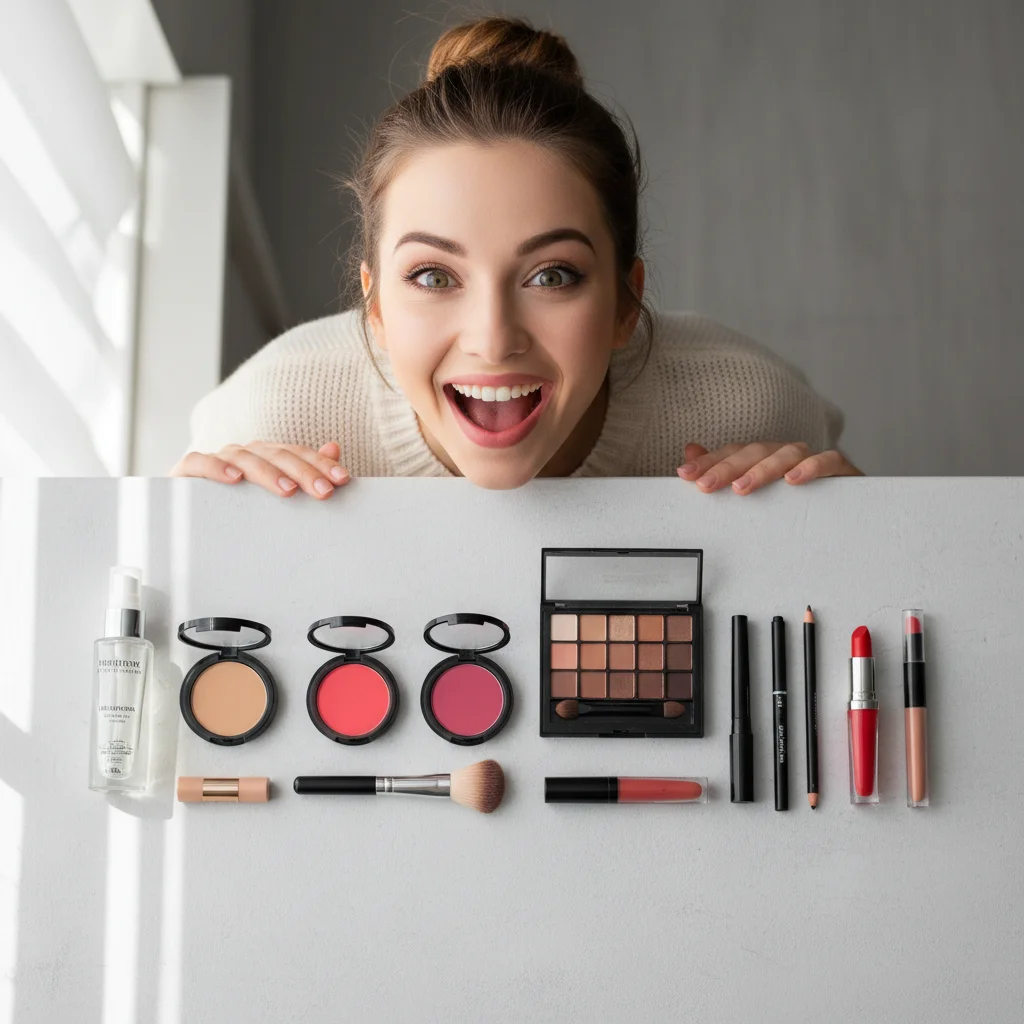
What Is the Correct Makeup Order?
A typical makeup order starts with skincare and primer, followed by complexion products, powder, cheek color, eye and brow makeup, and finally lip products and setting spray.
The basic sequence is:
- Skin prep
- Primer
- Foundation and concealer
- Setting powder
- Bronzer, blush, and highlighter
- Brows and eye makeup
- Lip products and setting spray
You do not have to use every product listed in these steps. Makeup should be adaptable to your routine, the occasion, and the finish you prefer.
The most important thing is understanding how the layers work together. Liquid and cream products generally work well before powder products, while finishing products are usually saved for the end.
1. Start With Skin Prep
Before applying makeup, start with clean, moisturized skin. Your daytime skincare routine should also include sun protection when appropriate.
Well-prepared skin can help makeup sit more comfortably and evenly. If your skin is very dry, for example, applying foundation over skin that feels tight or flaky may make the finish look less smooth.
You do not need a long skincare routine immediately before makeup. Use the products that work for your skin and give them enough time to settle before moving on.
If your moisturizer or sunscreen still feels very wet or slippery, applying makeup immediately may make the layers move around or affect how your primer performs.
There is also no need to apply a large amount of skincare simply because makeup is coming next. Too many layers can sometimes make makeup feel heavy or cause products to pill.
The goal is simple: create a comfortable base before beginning your makeup.
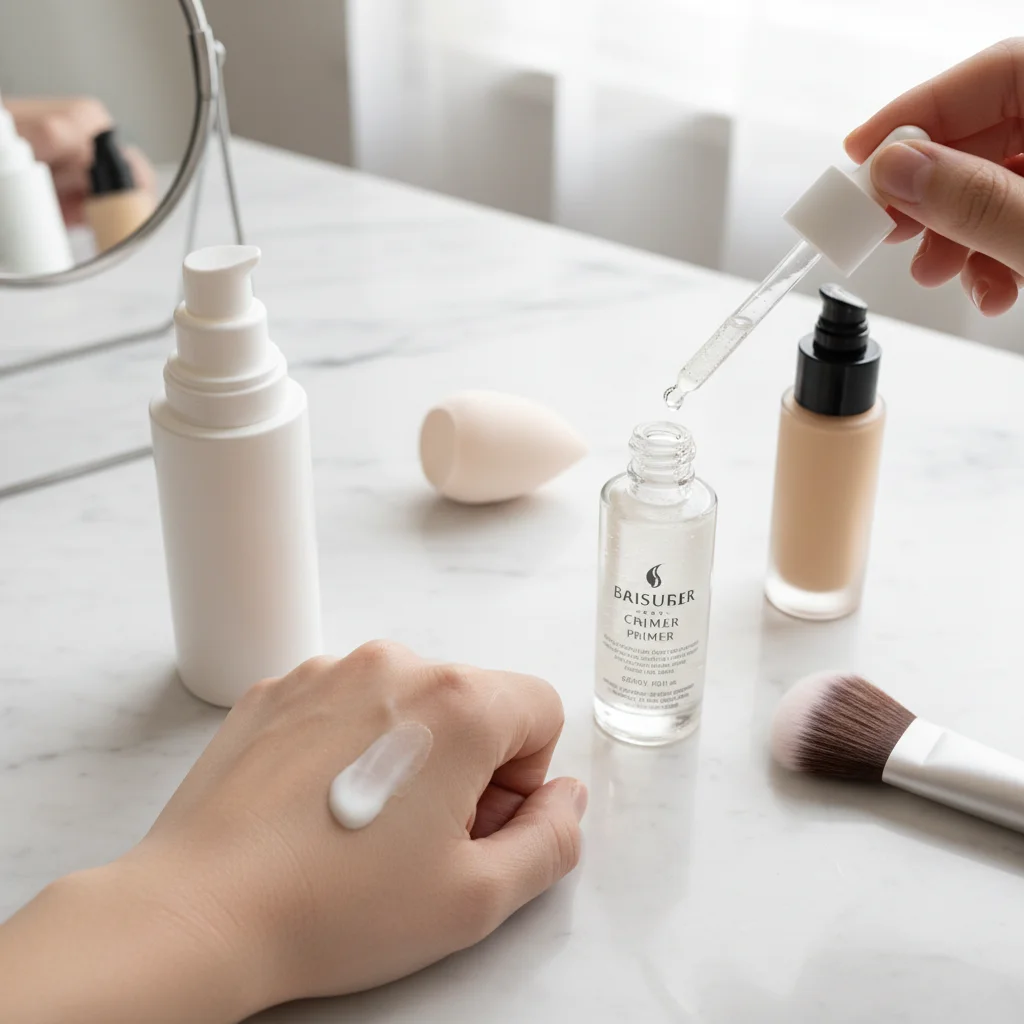
2. Apply Primer
Once your skincare has settled, apply primer if you use one.
Primer is designed to prepare the surface of the skin for makeup. Depending on the formula, it may help create a smoother-looking base, add hydration, reduce the appearance of texture, or help makeup stay in place.
Primer is optional, so you do not need to use it simply because it appears in a traditional makeup routine. If your foundation already applies smoothly and lasts well without primer, you may prefer to skip this step.
When you do use primer, a small amount is usually enough. Applying too much can make the makeup that follows feel heavier rather than improving the finish.
Our Makeup Pick: Cinema Secrets Ultimate Foundation Primer
If primer is part of your routine, Cinema Secrets Ultimate Foundation Primer is a natural fit for this step. It is designed to be used before foundation and can help create a smooth base for the makeup that follows.
We are keeping the product recommendation in this article focused on one primer rather than turning the guide into a list of different products.
Shop the Cinema Secrets Ultimate Foundation Primer
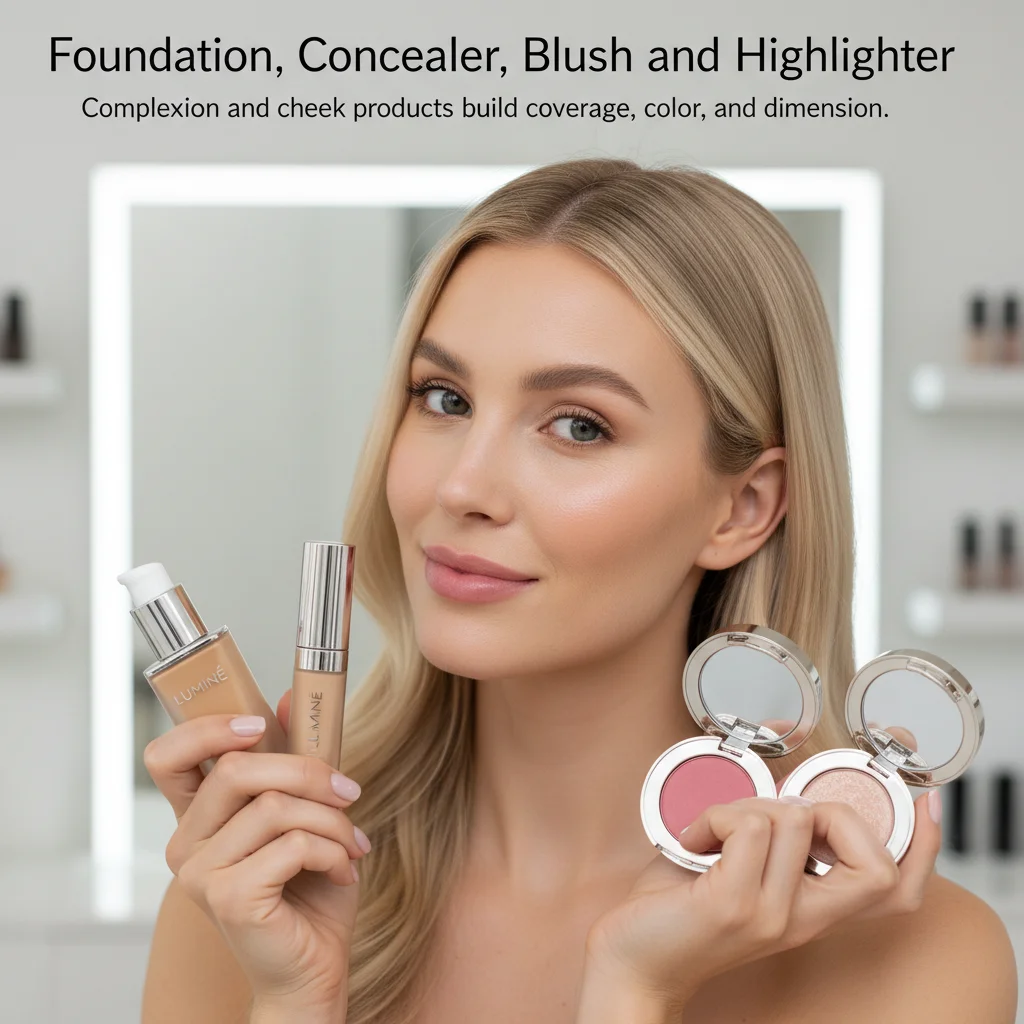
3. Create Your Base With Foundation and Concealer
After primer, move on to your complexion products.
Foundation First
For a typical everyday routine, foundation comes before concealer.
Foundation helps even out the overall appearance of the complexion. Start with a thin layer and build coverage only where you need it.
Using less product initially gives you more control over the finished look. Once the foundation is blended, you can see which areas still need additional coverage instead of automatically applying a heavy layer everywhere.
Foundation is also not mandatory. If you have acne-prone skin, look for makeup labeled non-comedogenic or won’t clog pores.
Concealer Second
After foundation, apply concealer to areas that need more coverage or brightness.
Because the foundation has already evened out much of the complexion, you can use concealer more selectively. This can help prevent the finished makeup from becoming unnecessarily heavy.
The usual sequence is therefore:
Primer → foundation → concealer
There are exceptions. Color correction, underpainting, certain photography techniques, and specific product formulas can change the order. But for a straightforward everyday look, foundation followed by concealer is an easy starting point.
4. Set Your Base With Powder
Once your foundation and concealer are blended, you can use setting powder where needed.
Powder can help reduce excess shine and set liquid or cream complexion products. However, you do not necessarily need to powder your entire face.
If you prefer a natural or dewy finish, apply powder selectively to areas where you tend to become shiny or where you want additional staying power.
This is also the point where product texture becomes important.
If you plan to use cream bronzer or cream blush, do not heavily powder the areas where those products will go before applying them. Cream products generally blend more easily before a layer of powder is placed over the skin.
You can always return with a small amount of powder later if you need more setting.
5. Add Bronzer, Blush, and Highlighter
Once your complexion is in place, you can add warmth, color, and dimension.
A common order for cheek products is:
Bronzer → blush → highlighter
Bronzer can add warmth and definition, while blush brings color to the cheeks. Highlighter is generally used last to add luminosity to selected areas.
You do not need all three.
For a simple everyday look, blush alone may be enough. If you want additional warmth or definition, add bronzer. Highlighter can remain an optional final touch.
Cream vs. Powder Cheek Products
The formula you use can affect the order.
Cream or liquid bronzer and blush generally work best before you heavily set the face with powder. Powder bronzer and blush, on the other hand, are designed to be applied over a powdered or set base.
This does not mean every cream product must always be used before every powder product. Modern formulas vary, and some products are specifically designed to layer over other textures.
The useful rule is simply to consider texture before deciding where a product belongs.
6. Complete Your Brow and Eye Steps
Once your complexion is finished, move to your brows and eyes.
A simple eye makeup sequence can be:
Brows → eyeshadow → eyeliner → mascara
But this is another area where your preferred technique can change the order. When applying eye makeup, keep your hands and applicators clean, and avoid sharing products.
Brows can be shaped and filled before or after eyeshadow. If you prefer to see the completed eye makeup first, you may find it easier to finish your brows afterward.
For a simple everyday look, you might use only brows and mascara. For a more defined look, you can add eyeshadow and eyeliner.
Should Eye Makeup Come Before Face Makeup?
You can, particularly when creating a dramatic eye look.
Eyeshadow fallout can land underneath the eyes or on the cheeks. If your foundation and concealer are already finished, cleaning up that fallout may disturb your base.
For a smoky eye or another detailed look, you may therefore choose:
Eye makeup → skin prep → primer → foundation → concealer → rest of the makeup
For a simple everyday look, however, completing your complexion first is perfectly reasonable.
There is no need to treat one option as universally correct. The best choice depends on how much eye makeup you are using and whether fallout is likely to be a problem.
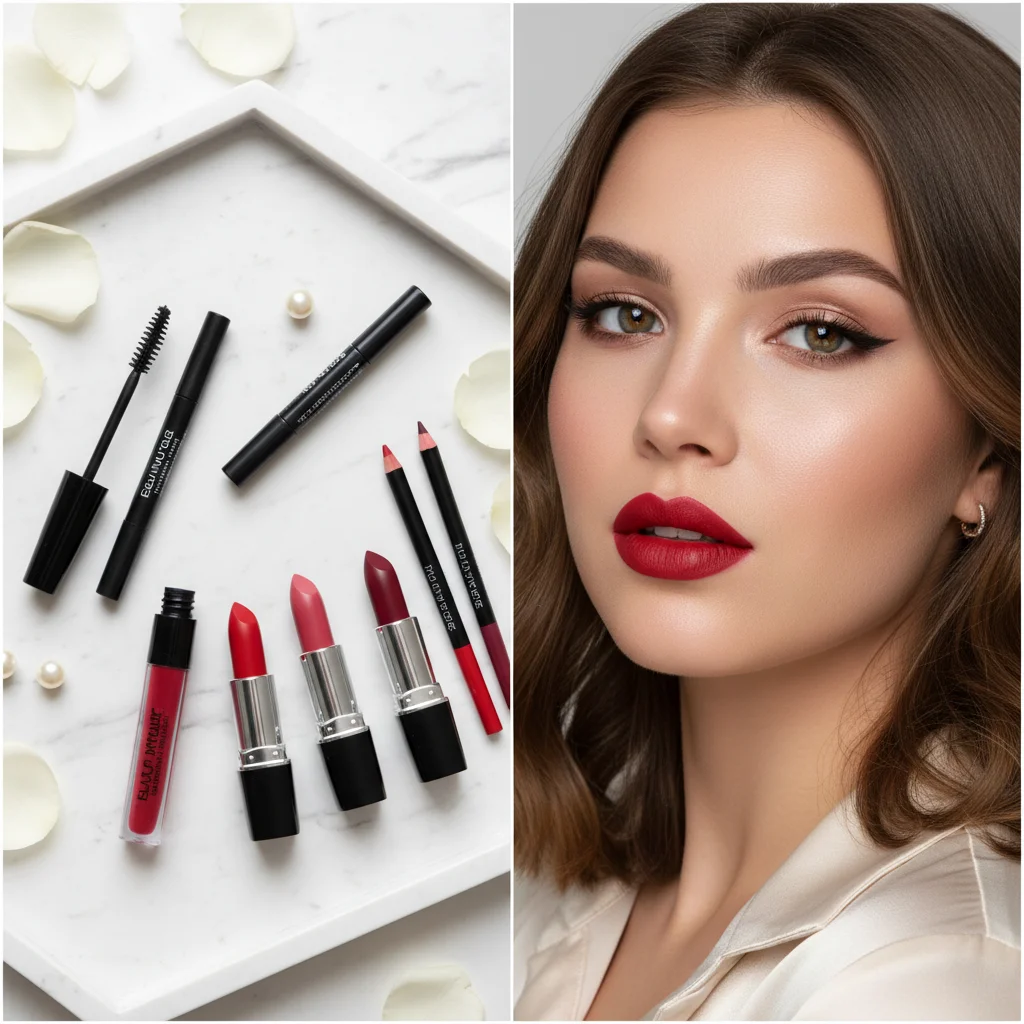
7. Finish With Lip Products and Setting Spray
Lip products are usually among the final steps.
A simple lip sequence is:
Lip liner → lipstick or lip color → gloss, if desired
Lip liner can define the edges of the lips before color is applied. Lipstick or another lip color follows, while gloss can be added last if you want a glossy finish.
Setting spray can then be used as an optional finishing step.
A setting spray can help bring the layers of makeup together and may help extend the wear of your look. However, it is not essential for every routine.
If you are doing a quick everyday makeup look or only wearing makeup for a short time, you may prefer to skip it.
Makeup Order for Beginners
If you are new to makeup, learning the basic makeup in order can make the process easier.
A simple beginner-friendly sequence is:
Skin prep → primer → foundation or concealer → blush → brows → mascara → lip color
You can add other products as you become more comfortable.
Bronzer, highlighter, eyeliner, eyeshadow, and powder are all optional depending on the look you want. Learning the basic sequence first is often easier than trying to master a full face of makeup immediately.
The most useful principle is to move from skin preparation toward complexion, then add color and definition.
You also do not need a large amount of every product. Thin layers give you more control and make it easier to adjust your makeup as you go.
If you want to explore the broader makeup category, you can find more guides in our makeup collection.
Makeup IN Order for Different Makeup Looks
The standard sequence works well for most everyday looks, but you can make small changes depending on what you are creating.
For a Natural Everyday Look
A simple everyday order might be:
Skin prep → primer → light foundation or concealer → blush → brows → mascara → lip color
You can leave out powder, bronzer, highlighter, eyeliner, or other products you do not need.
Using fewer layers can make it easier to maintain a light, natural-looking finish.
For a Full-Coverage Look
With a fuller-coverage look, the complexion becomes more important.
Start with skin prep and primer, then apply foundation and targeted concealer. Set the areas that need it with powder before moving on to the rest of your makeup.
From there, you can add bronzer, blush, highlighter, eye makeup, and lip products.
The important part is to build coverage gradually. Applying a large amount of product at once can make the makeup more difficult to blend and harder to adjust.
When to Change the Makeup Order for a Dramatic Eye Look
A dramatic eye look is one of the clearest reasons to change the usual makeup order.
If you are using a smoky eyeshadow, glitter, loose pigment, or another product that may create fallout, consider completing the eye makeup before your foundation and concealer.
That way, you can clean up around the eyes before creating your finished complexion.
The goal is not to follow a different set of rules. It is simply to prevent one part of your makeup from interfering with another.
Does Makeup Always Have to Be Applied in This Order?
No. The standard makeup order is a useful framework, not a strict rule.
Your products, formulas, makeup style, and preferred finish can all affect the sequence.
For example, you might:
- Do dramatic eye makeup before foundation to avoid eyeshadow fallout.
- Skip foundation and use concealer only where needed.
- Skip primer if your makeup already sits well without it.
- Use cream blush before powder products.
- Skip powder if you prefer a dewy finish.
- Leave out bronzer or highlighter for a simpler look.
- Apply brows before or after your eye makeup.
The important thing is to understand why the usual sequence works. Once you do, changing it becomes much easier.
Cream vs. Powder: Which Comes First?
As a general rule, cream and liquid products come before powder products.
This helps prevent a powder layer from interfering with the blending of a creamy product applied afterward.
For example, if you are using cream blush, apply it before setting that area with powder. If you are using powder blush, apply it after your base has been set.
The same principle can apply to bronzer and highlighter.
A simple way to remember it is:
Liquid or cream → powder
However, this is a guideline rather than an absolute rule. Makeup formulas are different, and some products are specifically designed to be layered over powder.
Why Texture Matters
Applying a cream product over a heavily powdered surface can sometimes disturb the powder underneath, creating patchiness or uneven texture.
Applying the cream or liquid product first gives it a smoother surface to blend into. Powder can then be used selectively to set the areas that need additional staying power.
This is particularly useful if you want a makeup look that has both longevity and a more natural finish.
You do not need to powder your entire face simply because powder comes later in the traditional sequence. Use each texture where it gives you the finish you want.
A Quick Makeup Order Checklist
For an easy reference, use this sequence:
| Step | Makeup product |
|---|---|
| 1 | Skin prep |
| 2 | Primer |
| 3 | Foundation and concealer |
| 4 | Setting powder |
| 5 | Bronzer, blush, and highlighter |
| 6 | Brows and eye makeup |
| 7 | Lip products and setting spray |
Remember that optional products can be skipped, and the order can change when you are working with different formulas or creating a more dramatic look.
The basic principle stays the same: prepare, build, add definition, and finish.
Common Makeup Order Questions
What goes first, primer or foundation?
Primer goes before foundation. It is designed to prepare the skin for the complexion products that follow.
Does concealer go before or after foundation?
For a typical everyday routine, apply foundation first and concealer afterward. This allows you to see where additional coverage is actually needed.
Do you put powder on before blush?
It depends on the formula. Cream or liquid blush is generally easier to apply before setting powder, while powder blush is normally applied after the base has been set.
Should you do eyes or face makeup first?
Either can work. Face makeup first is convenient for a simple everyday look. For dramatic eye makeup, doing the eyes first can make it easier to clean up eyeshadow fallout.
Do you need every step?
No. The seven steps are a framework, not a requirement. A simple routine using only the products you enjoy can work just as well.
The Bottom Line
Learning your makeup in order makes the routine easier to understand and adapt.
Start by preparing your skin, then use primer if desired, followed by foundation and concealer. Set the areas that need it, add cheek color and definition, finish your eyes and brows, and complete the look with lip products and optional setting spray.
You do not need to follow every step every time. Once you understand how the layers work together, you can simplify the routine for everyday makeup or change the order when creating a more dramatic look.
The best makeup order is the one that helps your products work together while giving you the finish you want.