Learning how to apply make up can feel overwhelming when you are just starting out. There are plenty of products, brushes, techniques, and beauty tips to choose from, but you do not need to master everything at once.
Good makeup application is mainly about using the right amount of product, blending carefully, and working with controlled movements. Once you understand the basic techniques, you can create a polished everyday look without making the process complicated.
Whether you are completely new to makeup or simply want to improve your technique, these nine practical steps will help you apply makeup more smoothly and confidently.
Quick tip: Start with less product than you think you need. You can always build more coverage or intensity, but removing excess makeup is much harder.
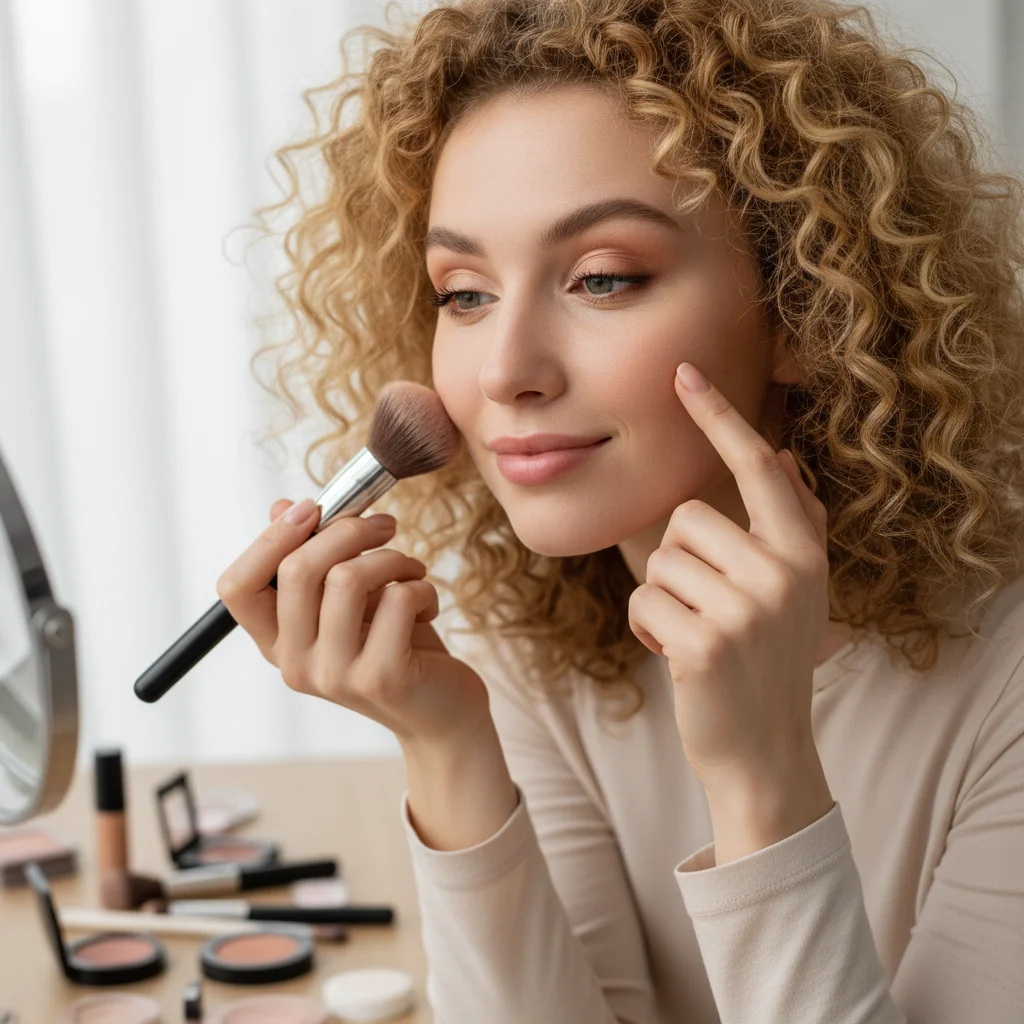
Makeup Application at a Glance
| Step | What to Do | Main Goal |
|---|---|---|
| 1 | Prepare Your Skin | Create a clean, comfortable base |
| 2 | Apply Primer | Smooth and prep the areas that need it |
| 3 | Apply Foundation | Build even coverage in thin layers |
| 4 | Add Concealer | Refine areas that need extra coverage |
| 5 | Blend | Remove visible edges and buildup |
| 6 | Add Face Color | Bring balance and dimension to the face |
| 7 | Apply Eye Makeup | Use controlled movements around the eyes |
| 8 | Apply Lip Products | Define and finish the lips |
| 9 | Check and Set | Correct small issues and finish the look |
1. Prepare Your Skin
Before applying makeup, start with clean, comfortable skin. Makeup generally applies more evenly when the surface is properly prepared.
Begin with your normal skincare routine and give your moisturizer time to settle before moving on to makeup. If you are applying makeup during the day, sunscreen should be part of your usual daytime skincare routine.
You do not need a large number of skincare products immediately before makeup. Too many layers can leave the skin feeling slippery and may make some makeup products harder to blend.
The goal is simply to create a comfortable surface.
Keep your hands and tools clean
Wash your hands before applying makeup, particularly when using your fingers or working around your eyes.
Clean makeup brushes and sponges regularly as well. Keeping your tools clean is part of good makeup hygiene and can also help products apply more evenly.
The FDA recommends washing your hands before using cosmetics and keeping cosmetic containers clean and tightly closed when not in use.
For daytime makeup, sunscreen should also be applied according to its directions.
2. Apply Primer Where You Need It
Primer is optional, but it can help create a smoother surface for makeup.
Instead of automatically applying a thick layer over your entire face, use a small amount and concentrate it where you want its particular benefits. You may prefer a smoothing effect around visible pores or a little extra hydration on areas that tend to feel dry.
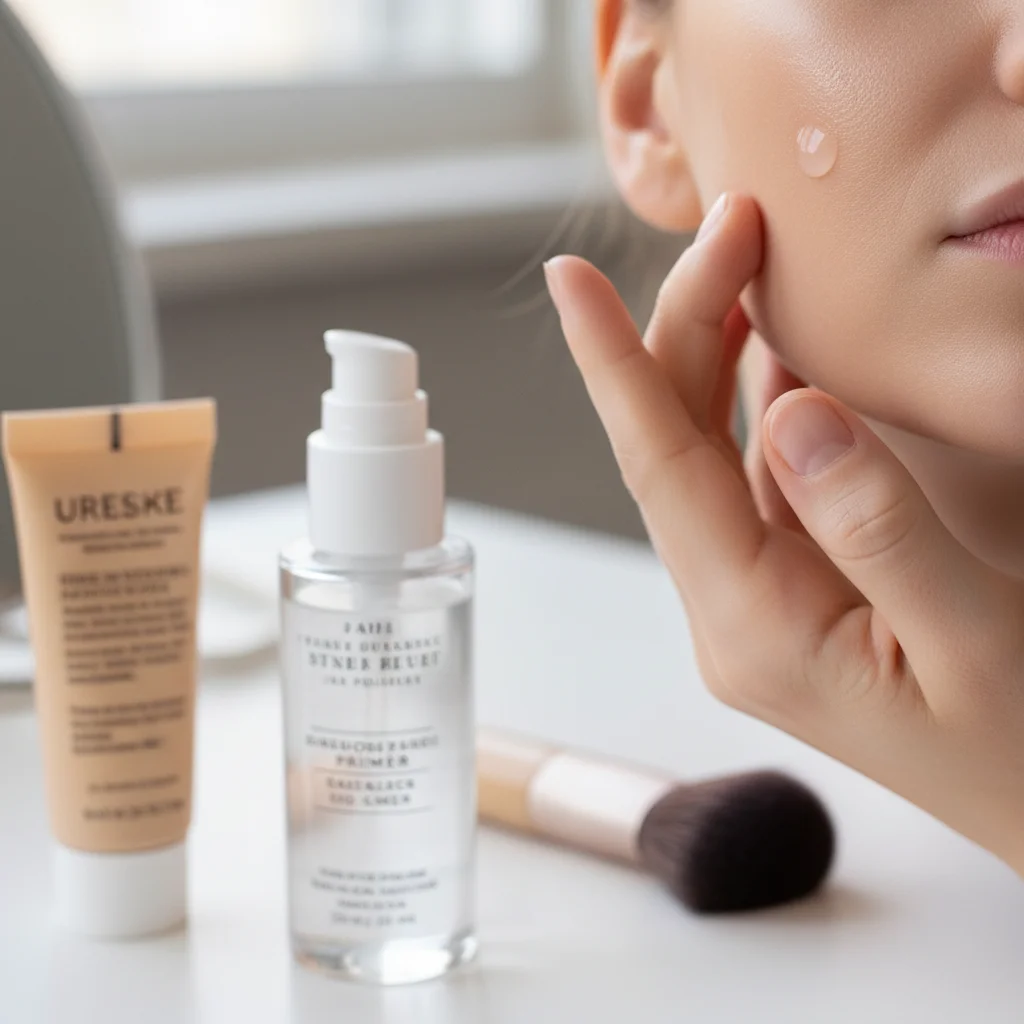
The important part is keeping the layer thin.
A large amount of primer does not necessarily produce a better finish. Too much product can make the layers applied afterward move around or feel heavy.
For this step, the Cinema Secrets Ultimate Foundation Primer can be used before foundation.
Apply a small amount and spread it evenly over the areas where you want primer. Give it a moment to settle before continuing.
3. Apply Foundation in Thin Layers
Foundation is much easier to control when you build it gradually.
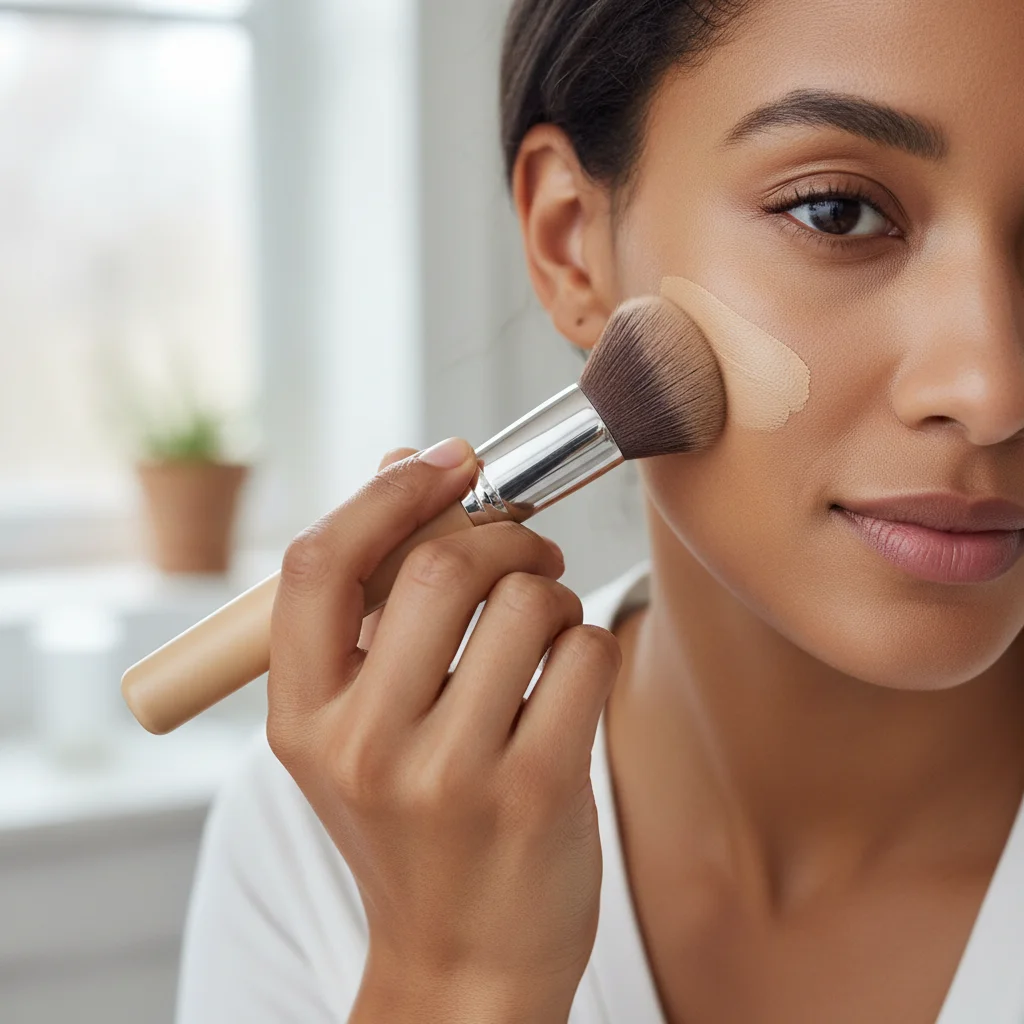
Start with a small amount and apply it to the areas where you want the most coverage. Then blend it outward toward the edges of your face.
You can use your fingers, a brush, or a makeup sponge. Each method produces a slightly different finish, so you can experiment to find the technique that gives you the most control.
Blend instead of dragging
When applying foundation, avoid aggressively rubbing it across the skin. Use gentle, controlled movements.
A sponge can be pressed lightly against the skin to diffuse the product. A brush can provide more precision, while your fingers can work well when you want a quick and simple application.
Pay particular attention to the jawline and hairline. These areas should transition naturally so there is no obvious line between makeup and bare skin.
Build coverage gradually
If you still see areas that need more coverage, add another thin layer rather than applying a large amount at once.
This gives you better control and can help prevent the base from looking unnecessarily heavy.
4. Add Concealer Precisely
Concealer is useful when you want additional coverage in specific areas without applying more foundation everywhere.
Apply a small amount where you actually need it, such as blemishes, discoloration, or areas under the eyes.
Use a tapping or pressing motion to blend rather than repeatedly dragging the product across the skin.
Use less under the eyes
The under-eye area generally needs a lighter touch.
Start with a small amount of concealer and blend gently. Applying too much can make the product settle into fine lines and become more noticeable as the makeup wears.
You do not need to make every part of your face look completely uniform. A little natural variation can help the finished makeup look more realistic.
5. Blend Before Adding More
One of the most useful skills to learn when figuring out how to apply make up is knowing when to blend instead of adding more product.
After applying your base, pause and inspect your face.
Check around the:
- Nose
- Jawline
- Hairline
- Under-eye area
- Corners of the face
- Areas where different products meet
If you see an obvious edge, blend it before reaching for another product.
A clean brush or slightly damp makeup sponge can often soften an area that looks too concentrated.
Check your makeup in natural light
Makeup can look different under artificial lighting compared with daylight.
If possible, check your makeup near a window. This can help you spot uneven coverage, visible edges, or areas where you have applied more product than intended.
Taking an extra moment to check your application can make a noticeable difference.
6. Add Blush, Bronzer, and Highlighter
Once your base is blended, you can add color and dimension.
Blush, bronzer, and highlighter each have different purposes, but they have something important in common: they are easier to build than to remove.
Start with a small amount.
Apply blush lightly
Apply blush gradually and blend it outward so the color transitions softly into the rest of your makeup.
If the color looks too strong, use a clean brush or sponge to diffuse the edges rather than immediately adding more foundation.
Use bronzer sparingly
Bronzer can add warmth and dimension, but avoid creating obvious stripes.
Apply it with a light hand and blend carefully so there are no harsh lines.
Keep highlighter controlled
Highlighter can add brightness to selected areas of the face.
Use a small amount and blend the edges. Applying too much can make skin texture more noticeable, so a subtle application is often easier to control.
You also do not have to use all three products every time. Choose what fits the look you want.
7. Apply Eye Makeup With Controlled Movements
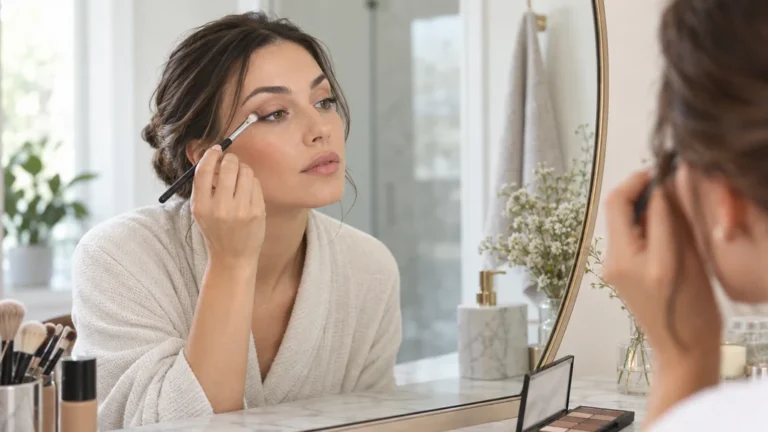
Eye makeup can seem intimidating when you are a beginner, but the basic technique is simple: use small amounts and build slowly.
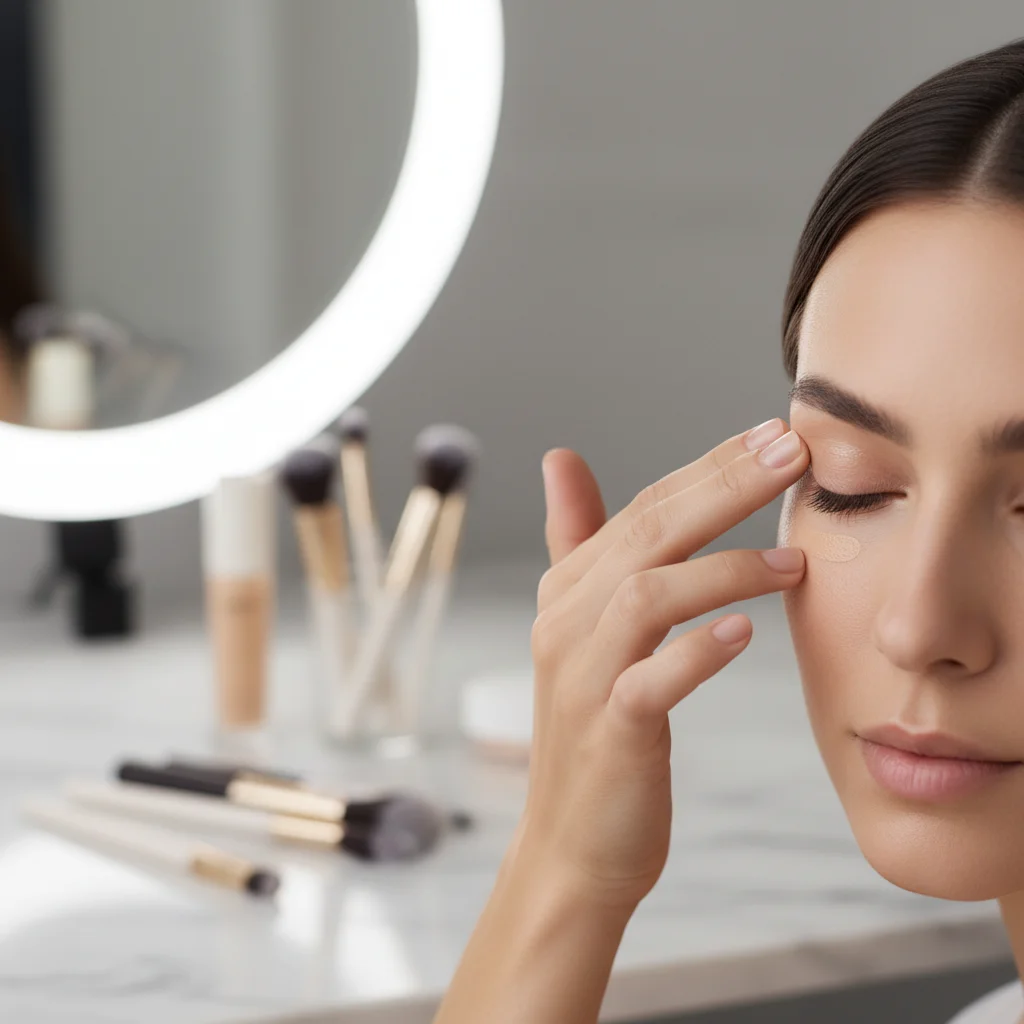
If you are applying eyeshadow, start with a small amount on your brush. Tap off excess powder and gradually build the intensity.
Use gentle blending movements rather than pressing a large amount of product onto the eyelid at once.
Apply eyeliner in short strokes
You do not have to create a perfect eyeliner line in one movement.
Instead, use short, controlled strokes close to the lash line. You can gradually connect the strokes and smooth the line as you go.
If one area looks uneven, make a small correction rather than repeatedly adding more product.
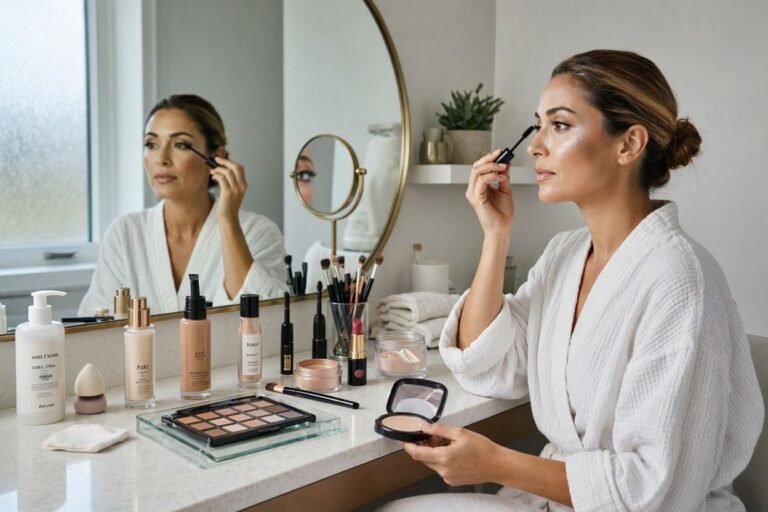
Apply mascara carefully
Place the mascara wand near the base of the lashes and move it upward with controlled strokes.
Avoid repeatedly pumping the wand into the tube. Keep the container closed when you are not using it.
Because eye cosmetics are used close to sensitive tissue, hygiene is especially important. The FDA recommends clean hands and clean applicators, advises against sharing eye cosmetics, and warns against applying eye makeup in a moving vehicle because sudden movement can cause injury.
8. Apply Lip Products Carefully
Before applying lip color, make sure your lips are comfortable and free from excess skincare or balm.
If your lips feel dry, apply a small amount of lip balm and allow it to settle before applying color.
For lipstick or gloss, start near the center of the lips and work toward the corners. Smaller movements give you more control around the edges.
If you use lip liner, avoid pressing too hard. A soft, controlled line can define the lips without making the application look overly harsh.
You do not need a highly defined lip every time. For everyday makeup, softly blended edges can be quick and easy to maintain.
9. Check and Set Your Finished Makeup
Once you have applied your makeup, resist the temptation to immediately add another layer. Take a moment to check your makeup in order, starting with your base and moving through your finishing products.
Take a moment to look at the entire face.
Check whether:
- Your foundation is evenly blended.
- Concealer has settled into any creases.
- Blush and bronzer have soft edges.
- Your eye makeup is balanced.
- Your lip color is even.
- Any excess product needs to be removed.
If you use setting powder, apply it selectively where you want to reduce shine or help makeup stay in place. You do not necessarily need a heavy layer across your entire face.
A setting spray can also be used according to the product’s directions.
Fix mistakes before adding more makeup
If an area looks too heavy, do not automatically cover it with another product.
Instead, try gently pressing a clean makeup sponge over the area. This can remove some excess product and soften the finish.
A small correction is usually easier than trying to fix several layers later.
Common Mistakes When Applying Makeup
Even after learning the basic techniques, a few simple mistakes can affect the final result.
Using too much product
More makeup does not automatically mean better coverage. Start small and build gradually.
Skipping blending
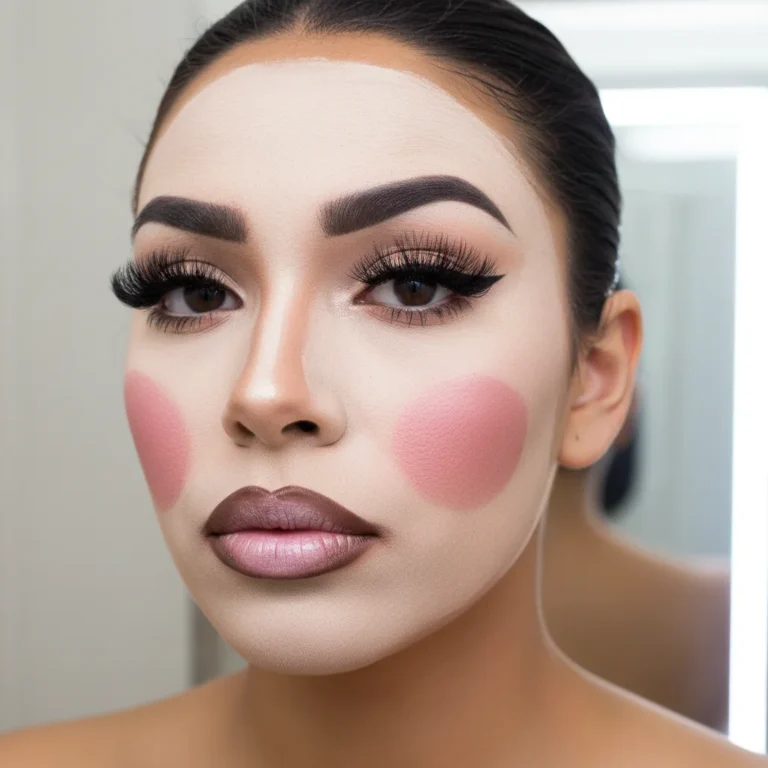
Visible edges can make makeup look obvious. Always check where products meet, especially around the jawline, hairline, and nose.
Using too much concealer
Concealer is intended to provide targeted coverage. Applying too much can make it more noticeable instead of creating a smoother finish.
Applying powder everywhere
Powder can be useful, but you do not necessarily need a heavy layer across the entire face. Apply it where you want to control shine or help makeup stay in place.
Using too much color
Blush, bronzer, and highlighter are easier to build than to remove. Start with a small amount and increase the intensity gradually.
Rushing the application
Trying to apply everything as quickly as possible can lead to uneven coverage and excessive product.
Give yourself enough time to blend each layer before moving on.
Ignoring your tools
Dirty brushes and sponges can affect application and hygiene. Clean them regularly and replace tools that become damaged or difficult to clean.
How to Make Makeup Look More Natural
A natural-looking finish usually comes from using less product and blending more carefully, rather than adding more makeup.
Try these simple habits:
- Start with thin layers.
- Build coverage only where necessary.
- Blend each product carefully.
- Keep edges soft.
- Use a light hand with blush and bronzer.
- Avoid excessive powder.
- Check your makeup in natural light.
- Correct mistakes before adding more product.
You also do not have to use every makeup product available. A simple application can look polished without requiring a complicated collection of cosmetics.
Frequently Asked Questions
What is the easiest way to apply makeup for beginners?
Start with prepared skin and use small amounts of product. Apply your base gradually, blend thoroughly, and add color in light layers. It is easier to build intensity than to remove excess makeup.
How can I stop my makeup from looking heavy?
Use thinner layers and avoid applying more product simply because one area looks imperfect. Blend first, then decide whether additional coverage is actually needed.
Should I use a makeup sponge or brush?
Both can work well. A brush can provide control and precision, while a makeup sponge can create a softer, more diffused finish. The best choice depends on the product and the result you prefer.
How do I make makeup look smooth?
Properly prepare your skin, use a manageable amount of product, and blend each layer carefully. Checking your makeup in natural light can also help you identify areas that need additional blending.
Do I need primer before makeup?
No. Primer is optional. It can be useful for creating a particular finish or helping makeup sit better, but you can apply makeup without it.
How much foundation should I use?
Start with a small amount and build coverage gradually. Concentrate additional product only on areas where you want more coverage instead of applying a heavy layer everywhere.
Final Thoughts
Learning how to apply make up is less about following complicated rules and more about developing good technique.
Prepare your skin, work with small amounts of product, blend carefully, and build coverage gradually. Pay attention to the areas where products meet and take a moment to check your makeup before adding anything else.
With practice, these simple techniques become much easier. You will also learn which tools, textures, and application methods work best for you.
The goal is not to make makeup look like a mask. It is to use the products you choose with enough control to create the finish you want.