Knowing how often should you wash your hair can be surprisingly confusing. Some people shampoo every day, while others can go several days between washes without their hair looking or feeling dirty.
There is no single washing schedule that works for everyone. How often you should wash your hair depends on factors such as your scalp, hair type, hair texture, how much oil your scalp produces, your activity level, and the products you use.
The goal is not to wash your hair as often as possible or to avoid shampoo for as long as possible. Instead, you want a routine that keeps your scalp comfortable and your hair clean without unnecessarily drying it out.
This guide explains how often to wash your hair, how to adjust your routine for different hair types, when you may need to wash more or less frequently, and how to tell when your current schedule is not working for you.
How Often Should You Wash Your Hair?
For many people, washing their hair a few times per week is a reasonable starting point, but there is no universal rule.
Some people with an oily scalp may prefer washing their hair every day or every other day. Others with dry, curly, coarse, or textured hair may find that washing less frequently works better.
Your scalp is an important part of the equation. Shampoo is primarily used to cleanse the scalp and remove excess oil, sweat, product buildup, and other debris.
If your scalp becomes oily or uncomfortable quickly, you may need to wash more often. If your hair and scalp remain comfortable for several days, you may not need to shampoo as frequently.
| Hair or scalp type | Possible washing schedule | What to consider |
|---|---|---|
| Oily scalp | Daily to every 2 days | More frequent cleansing may be comfortable |
| Normal scalp | Every 2–4 days | Adjust based on oil and buildup |
| Dry hair or scalp | Every few days or less often | Avoid unnecessary drying |
| Curly or coarse hair | Often less frequently | Focus on scalp cleansing and maintaining moisture |
| Fine, oily hair | Often more frequently | Oil can become noticeable quickly |
These ranges are starting points rather than strict rules. Your own scalp and hair can tell you a lot about whether your schedule is working.
What Determines How Often You Should Wash Your Hair?
Several factors can affect how frequently you need to shampoo. The American Academy of Dermatology recommends washing your hair based on how often it gets dirty or oily.
Your Scalp’s Oil Production
Your scalp naturally produces sebum, an oily substance that helps protect the skin. Some people simply produce more oil than others.
If your roots look greasy or your scalp feels oily shortly after washing, you may prefer a more frequent washing schedule.
On the other hand, if your scalp stays comfortable and your roots do not become noticeably oily, you may be able to go longer between washes.
Your Hair Texture
Hair texture can also influence how often washing feels comfortable.
Fine, straight hair may show oil more quickly because sebum can travel down the hair shaft relatively easily. Curly and coarse hair may appear less oily at the lengths because the shape and texture of the hair can make it harder for natural oils to travel from the scalp.
This does not mean that one hair type is healthier than another. It simply means that different hair types may benefit from different routines.
Your Activity Level
Exercise and sweating can affect how often you want to cleanse your hair.
If you exercise frequently and your scalp becomes sweaty or uncomfortable, you may want to wash more often or rinse your hair between full shampoo sessions, depending on your hair type and routine.
Someone who exercises occasionally may not need to make the same adjustment.
Your Styling Products
Hair sprays, gels, creams, oils, dry shampoo, and other styling products can accumulate on the hair and scalp.
If you use several styling products regularly, you may need to cleanse more frequently to keep your scalp and hair feeling comfortable.
Your Environment
Heat, humidity, pollution, dust, and other environmental factors can affect how your hair feels between washes.
You may notice that your ideal washing schedule changes with the seasons or when you spend more time outdoors.
How Often Should You Wash Oily Hair?
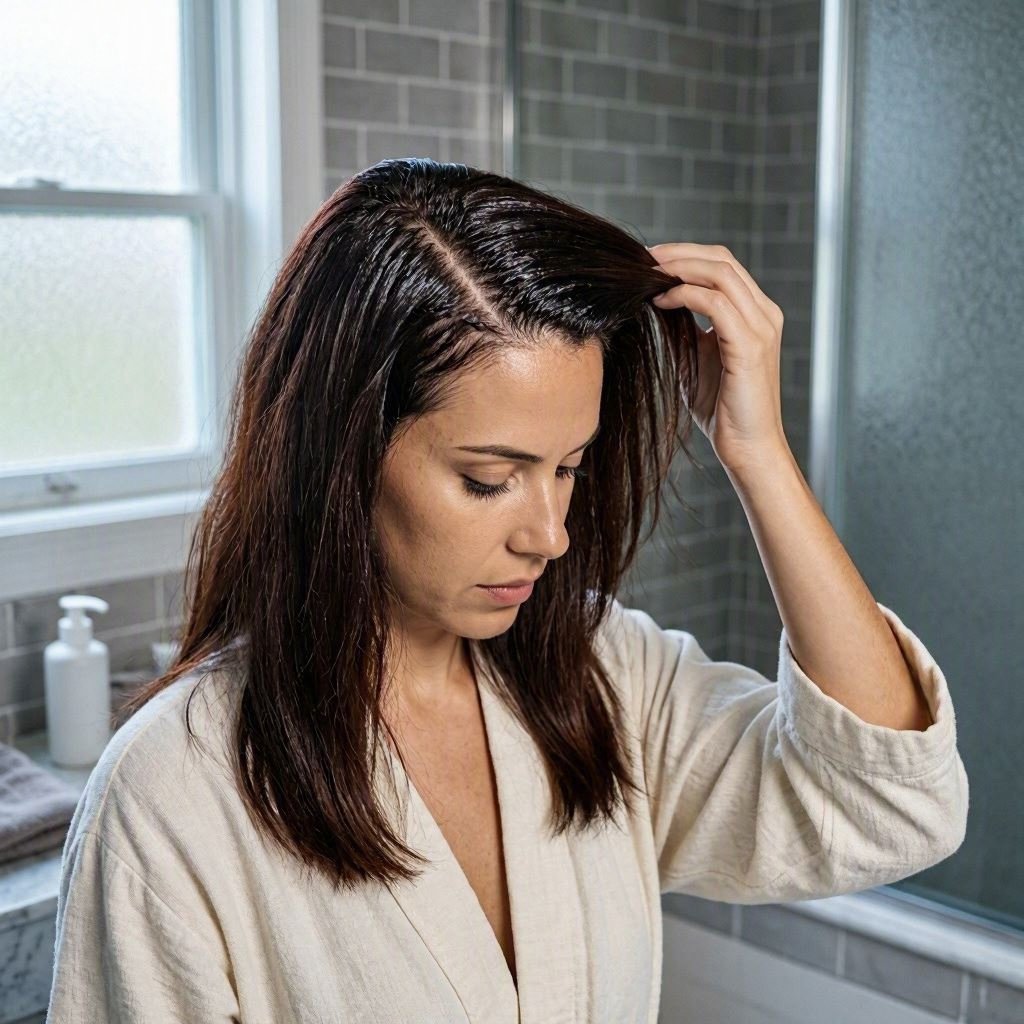
If your scalp becomes oily quickly, washing more frequently may make your hair easier to manage.
People with oily scalps may find that washing every day or every other day works well. There is no need to force yourself to wait several days if your scalp becomes greasy, uncomfortable, or difficult to style.
At the same time, repeatedly using very harsh shampoo or aggressively scrubbing the scalp is not necessarily the answer.
Look for a shampoo that cleanses effectively without leaving your scalp feeling excessively dry or irritated.
How Often Should You Wash Dry Hair?
Dry hair often benefits from a less frequent washing schedule, particularly when frequent shampooing leaves the hair feeling rough or stripped.
If your scalp is comfortable and your hair does not become oily quickly, you may be able to go several days between washes.
When you do wash, focus shampoo primarily on the scalp rather than repeatedly scrubbing the lengths of your hair.
Conditioner can then help keep the lengths feeling softer and more manageable.
How Often Should You Wash Curly Hair?
Curly hair often has different moisture needs from straight hair, so many people with curls prefer washing less frequently.
The natural oils produced by the scalp may not travel down curly strands as easily, which can contribute to dryness along the lengths.
A gentle shampoo routine combined with regular conditioning can help you balance scalp cleansing with keeping your curls manageable.
How often you wash can still vary considerably from one person to another. Your curl pattern, scalp oiliness, styling routine, and product use all matter.
How Often Should You Wash Fine Hair?
Fine hair can become visibly oily or flat more quickly than thicker hair.
If your roots become greasy soon after washing, you may prefer washing every day or every other day.
However, avoid assuming that fine hair needs aggressive cleansing. A lightweight shampoo and a conditioner applied mainly to the lengths can help keep the hair clean without weighing it down.
How Often Should You Wash Thick or Coarse Hair?
Thick and coarse hair may not need to be washed as frequently, especially when the scalp does not become oily quickly.
Longer intervals between washes can also make sense if frequent shampooing leaves the lengths feeling dry.
When washing, make sure you thoroughly cleanse the scalp while avoiding unnecessary rough handling of the hair lengths.
How Many Times Should You Wash Your Hair Per Week?

There is no magic number of washes that everyone needs each week.
For some people, washing two or three times per week may be comfortable. Others may prefer every other day or even daily washing, particularly when they have an oily scalp.
People with dry, curly, or coarse hair may be comfortable washing less frequently.
Instead of choosing a number based only on someone else’s routine, consider how your scalp and hair feel between washes.
Signs You May Be Washing Your Hair Too Often
Washing more frequently is not automatically bad, but your routine may need adjusting if your hair consistently feels excessively dry or uncomfortable.
- Hair feels unusually dry or rough after washing
- Lengths become difficult to manage
- Scalp feels tight or uncomfortable
- You need significantly more conditioner to make your hair manageable
If these problems persist, consider whether your shampoo, water temperature, washing technique, or frequency could be contributing to the problem.
Signs You May Not Be Washing Often Enough
Going longer between washes can work well for some people, but your scalp may tell you when your routine needs adjusting.
- Roots become noticeably greasy
- There is significant product buildup
- Your scalp feels uncomfortable or unusually dirty
- Hair becomes difficult to style because of oil or buildup
These signs do not necessarily mean you need to shampoo immediately every time. They simply suggest that your current washing schedule may not be the best fit for your scalp and hair.
Should You Wash Your Hair Every Day?
Daily washing is not automatically wrong.
For people with very oily scalps, fine hair, frequent sweating, or certain styling routines, washing every day may be practical.
The key is using a cleansing routine that your scalp and hair tolerate well. If daily shampooing leaves your hair excessively dry, you may want to experiment with a different shampoo or a less frequent schedule.
How to Wash Your Hair Properly

Your washing technique matters almost as much as your schedule.
Start by thoroughly wetting your hair with lukewarm water.
Apply shampoo primarily to your scalp and massage gently with your fingertips. You do not need to aggressively scrub the hair lengths. If you prefer a gentler cleanser, a sulfate-free shampoo can be a useful option, especially if frequent washing leaves your hair feeling dry.
Rinse thoroughly and apply conditioner to the lengths and ends if your hair benefits from conditioning.
Finally, rinse according to the product directions and handle wet hair gently, since wet hair can be more vulnerable to damage.
Does Shampooing Too Much Damage Your Hair?
Frequent washing can contribute to dryness for some people, particularly when the shampoo is harsh or the hair is already dry or chemically treated.
However, the idea that everyone should avoid frequent shampooing is too simplistic.
Your scalp still needs regular cleansing. The right balance depends on your oil production, hair characteristics, lifestyle, and the products you use.
Rather than focusing on a universal maximum number of washes, pay attention to how your scalp and hair respond.
Can You Train Your Hair to Need Less Washing?
You may hear advice suggesting that you can “train” your scalp to produce less oil by washing less frequently.
There is limited reason to assume that simply extending the time between washes will permanently change how much oil your scalp produces.
Your scalp’s oil production is influenced by individual factors, so forcing yourself to wait longer between washes is not necessary if your scalp becomes oily or uncomfortable.
What About Dry Shampoo?
Dry shampoo can make oily roots look and feel fresher between washes, which can be useful when you want to extend the time between shampoo sessions.
However, dry shampoo does not replace regular cleansing of the scalp.
If you use dry shampoo frequently, make sure you still cleanse your scalp regularly according to your needs and the product’s directions.
Should You Wash Your Hair After Exercising?
Not everyone needs to shampoo after every workout.
If you sweat heavily and your scalp feels uncomfortable afterward, washing or rinsing your hair may help you feel fresher.
If your hair is dry or curly and your scalp remains comfortable, you may prefer to adjust your routine rather than shampoo after every workout.
How to Find Your Ideal Hair Washing Schedule
If you are unsure how often to wash your hair, start with your current routine and make small adjustments rather than changing everything at once.
- Notice how your scalp feels on the second and third day after washing.
- Pay attention to visible oil or product buildup.
- Notice whether your hair feels dry, rough, or difficult to manage.
- Adjust your washing frequency gradually.
- Give your new schedule enough time to evaluate how your hair responds.
Your ideal schedule may also change over time. Seasonal weather, changes in activity, hair coloring, styling habits, and changes in your scalp can all affect what works best.
Common Hair Washing Mistakes
Washing Based on Someone Else’s Schedule
Your friend’s hair may need a completely different routine from yours. Comparing washing schedules is less useful than paying attention to your own scalp and hair.
Using Very Hot Water
Very hot water can leave the scalp and hair feeling dry or uncomfortable. Lukewarm water is generally a better choice for washing your hair.
Scrubbing Aggressively
Your scalp does not need aggressive scrubbing to become clean. Use your fingertips and massage gently rather than scratching with your nails.
Applying Too Much Shampoo
More shampoo does not necessarily mean cleaner hair. Use enough product to cleanse your scalp effectively and follow the product’s directions.
Ignoring the Scalp
Shampoo is primarily intended to cleanse the scalp. Concentrating most of the cleansing action at the roots can help you avoid unnecessarily rough treatment of the lengths.
The Simple Answer
If you want a simple starting point, wash your hair when your scalp needs cleansing rather than following a rigid calendar.
That might mean:
- Daily or every other day for an oily scalp
- Every few days for many people with a balanced scalp
- Less frequently for some dry, curly, or coarse hair types
There is no prize for washing your hair the least often. There is also no requirement to wash it every day if your scalp and hair do not need it. The AAD also explains common hair-washing habits that can contribute to damage.
The best schedule is the one that keeps your scalp comfortable, your hair manageable, and your routine practical.
Frequently Asked Questions About Washing Your Hair
How often should you wash your hair?
There is no universal schedule. Many people wash their hair every few days, while those with oily scalps may prefer daily or every-other-day washing. Dry, curly, or coarse hair may need less frequent washing.
How many times should you wash your hair per week?
It depends on your scalp, hair type, activity level, and styling routine. Some people wash two or three times per week, while others wash more frequently or less often.
Is it okay to wash your hair every day?
Yes. Daily washing can be appropriate for some people, particularly those with oily scalps or frequent sweating. If daily shampooing makes your hair excessively dry or irritated, consider adjusting your routine or choosing a gentler product.
How often should you wash oily hair?
Oily hair may need to be washed daily or every other day, depending on how quickly the scalp becomes greasy or uncomfortable. The goal is effective cleansing without unnecessary irritation.
How often should you wash curly hair?
Many people with curly hair prefer washing less frequently because curls can become dry more easily. The ideal schedule depends on your scalp, curl pattern, products, and how your hair responds.
Can you train your hair to need less washing?
Simply washing less frequently does not necessarily permanently reduce your scalp’s oil production. Your ideal washing schedule depends on individual factors such as scalp oiliness, hair type, and lifestyle.
Does dry shampoo replace washing your hair?
No. Dry shampoo can help absorb oil and refresh the appearance of your roots between washes, but it does not replace regular scalp cleansing.
Should you wash your hair after every workout?
Not necessarily. If your scalp becomes sweaty or uncomfortable, washing or rinsing may help. People with dry or curly hair may prefer to adjust their routine rather than shampoo after every workout.
Final Thoughts
There is no single answer to how often everyone should wash their hair.
Your scalp, hair type, lifestyle, activity level, and styling routine all influence how frequently you may want to shampoo.
Start with a schedule that feels comfortable and adjust it when your hair or scalp gives you a reason to change it. You do not need to follow someone else’s washing routine simply because it works for them.
A good hair care routine should be practical, consistent, and suited to your own hair. If you want more practical advice, explore our Hair Care guides for tips on building a routine, choosing products, and caring for different hair types.