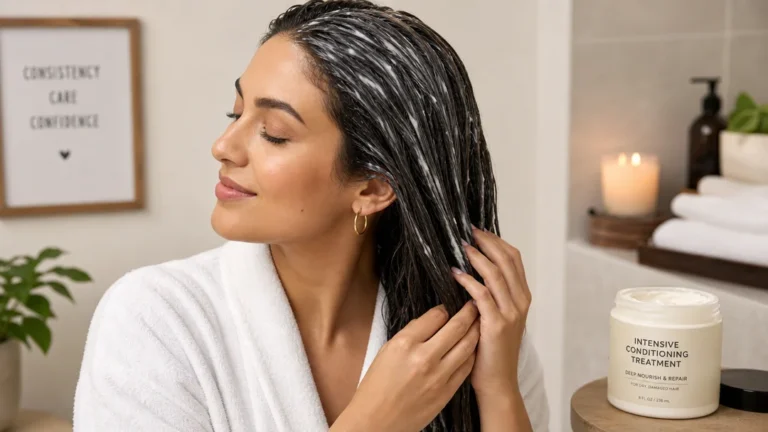
Brushing your hair may seem like one of the simplest parts of your daily routine, but the way you do it can make a difference in how your hair looks and feels. Using the wrong brush, starting at the roots, or pulling through stubborn tangles can put unnecessary stress on the hair.
Learning how to brush hair properly is less about brushing more often and more about using the right technique for your hair type. A gentle approach can help reduce unnecessary pulling, make detangling easier, and keep your hair looking smooth and manageable.
Whether your hair is straight, wavy, curly, or coily, a few simple changes can make brushing more comfortable and effective.
Why Proper Hair Brushing Matters
Hair brushing serves several practical purposes. It helps remove tangles, makes styling easier, and can distribute natural oils from the scalp through the hair.
However, brushing is also a form of mechanical stress. Repeatedly pulling through knots or using excessive force can contribute to breakage, especially when hair is already fragile or damaged.
The goal is not to brush as much as possible. It is to brush gently and appropriately for your hair’s texture, condition, and styling needs.
If your hair frequently becomes tangled, breaks easily, or feels difficult to brush, changing your technique may be more helpful than simply brushing more often.
Choose the Right Brush for Your Hair
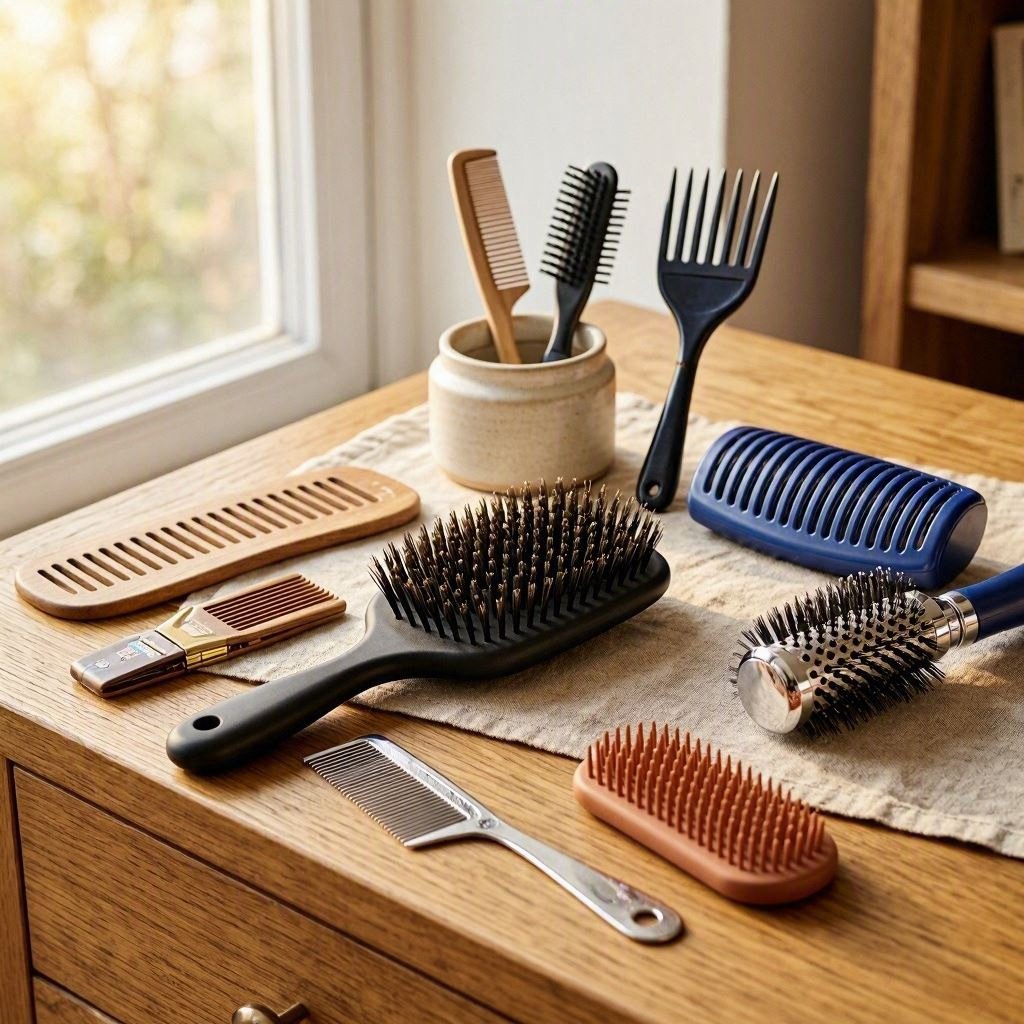
There is no single best brush for everyone. The right choice depends on your hair type, length, density, and whether you are detangling or styling.
Paddle Brushes
Paddle brushes have a broad, flat surface that can work well for longer or straighter hair. They can help smooth larger sections efficiently and are useful for everyday styling.
Detangling Brushes
Detangling brushes are designed to move through knots with flexible bristles that can reduce the amount of pulling required. They can be particularly useful for hair that tangles easily.
Wide-Tooth Combs
Although a comb is different from a brush, a wide-tooth comb can be useful when gently detangling curly, coily, or very textured hair. The wider spacing allows you to work through knots without forcing the hair together.
Round Brushes
Round brushes are primarily styling tools. They can help create volume, shape, and smoothness when used with a blow dryer, but they require more technique than a basic everyday brush.
If you regularly style your hair while blow-drying it, a tool such as the AirFold blowout brush set can combine drying and brush styling in one setup.
The important thing is to choose a tool that matches what you are actually trying to do. A brush designed for creating a blowout is not necessarily the best choice for gently removing everyday tangles.
Should You Brush Wet or Dry Hair?
Whether you should brush wet or dry hair depends largely on your hair type and the condition of the hair.
Wet hair can be more vulnerable to stretching and mechanical damage. This is particularly important if you have fragile, chemically treated, or easily broken hair.
That does not mean you can never detangle wet hair. Curly and textured hair is often detangled while damp or wet, particularly when conditioner is helping provide slip.
The key is to handle wet hair gently.
If you need to detangle after washing:
- Apply conditioner if appropriate for your hair.
- Separate the hair into manageable sections.
- Start at the ends.
- Work gradually toward the roots.
- Avoid pulling through knots.
- Use a suitable detangling brush or wide-tooth comb.
For many people with straight or wavy hair, gently detangling before washing can also help reduce the number of knots encountered afterward.
How to Brush Your Hair Properly
The technique you use matters more than simply owning an expensive brush.
1. Start With the Ends
One of the most common mistakes is starting at the scalp and dragging a brush through the entire length.
Instead, begin with the bottom few inches of your hair.
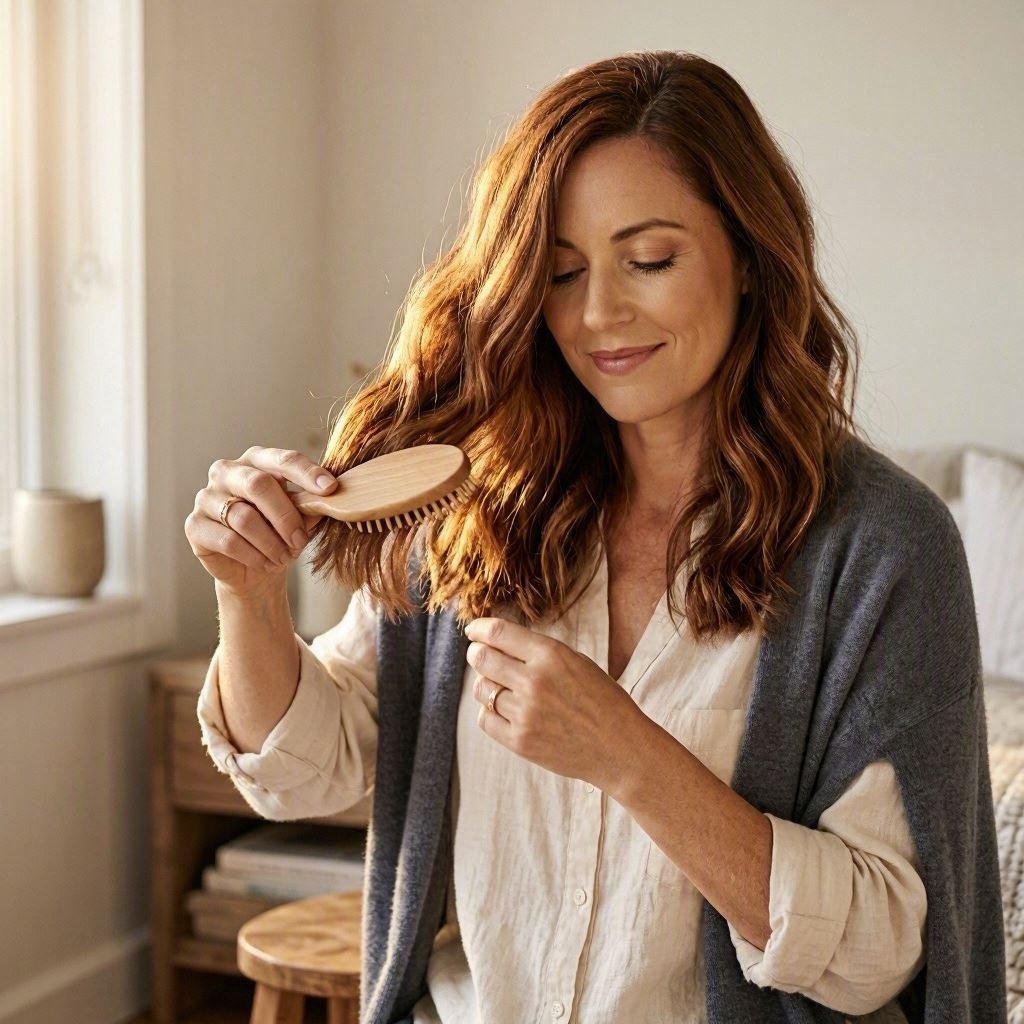
Gently work through the ends first. Once that section is relatively tangle-free, move slightly higher and continue working upward.
This prevents a small knot near the ends from becoming a larger, tighter tangle as you pull the brush downward.
2. Work in Small Sections
If your hair is long, thick, curly, or heavily tangled, divide it into sections.
Working with smaller sections gives you better control and allows the brush to move through the hair gradually rather than forcing its way through a large mass.
You do not have to make perfectly even sections. The goal is simply to make the hair easier to manage.
3. Hold the Hair Above the Tangle
When you encounter a stubborn knot, hold the section of hair above the tangle with one hand.
Then work on the knot with your brush using the other hand.
This reduces the amount of tension transferred to the hair closer to the scalp and can make detangling more comfortable.
4. Use Gentle, Short Strokes
Avoid repeatedly dragging the brush from roots to ends with force.
Use short, controlled strokes through tangled areas. Once the section is detangled, you can make longer strokes to smooth the hair.
If the brush catches, stop rather than pulling harder.
5. Move Toward the Roots Gradually
After the ends and middle lengths are detangled, you can work closer to the roots.
For straight or wavy hair, gentle strokes from the roots through the lengths can help distribute natural oils. For curly or highly textured hair, you may prefer to keep brushing focused on detangling and styling rather than repeatedly brushing through the entire head.
Your hair’s texture should determine the technique.
6. Finish With Gentle Smoothing
Once the tangles are gone, a few gentle passes can help smooth the hair.
There is no need to repeatedly brush the same section. Excessive brushing does not automatically make hair healthier or shinier.
How to Brush Different Hair Types
The best brushing technique changes depending on your natural texture.
Straight Hair
Straight hair is usually relatively easy to brush, but fine straight hair can become weighed down or damaged by excessive brushing.
Use a brush that moves smoothly through your hair without pulling. If your hair becomes oily quickly, avoid repeatedly brushing the roots throughout the day, as this can distribute scalp oils through the lengths.
Wavy Hair
Wavy hair can lose its natural pattern when repeatedly brushed dry.
If maintaining your waves is important, consider detangling when the hair is damp and using a suitable conditioner or leave-in product to improve manageability.
Once dry, minimize unnecessary brushing if you want to preserve the natural wave pattern.
Curly Hair
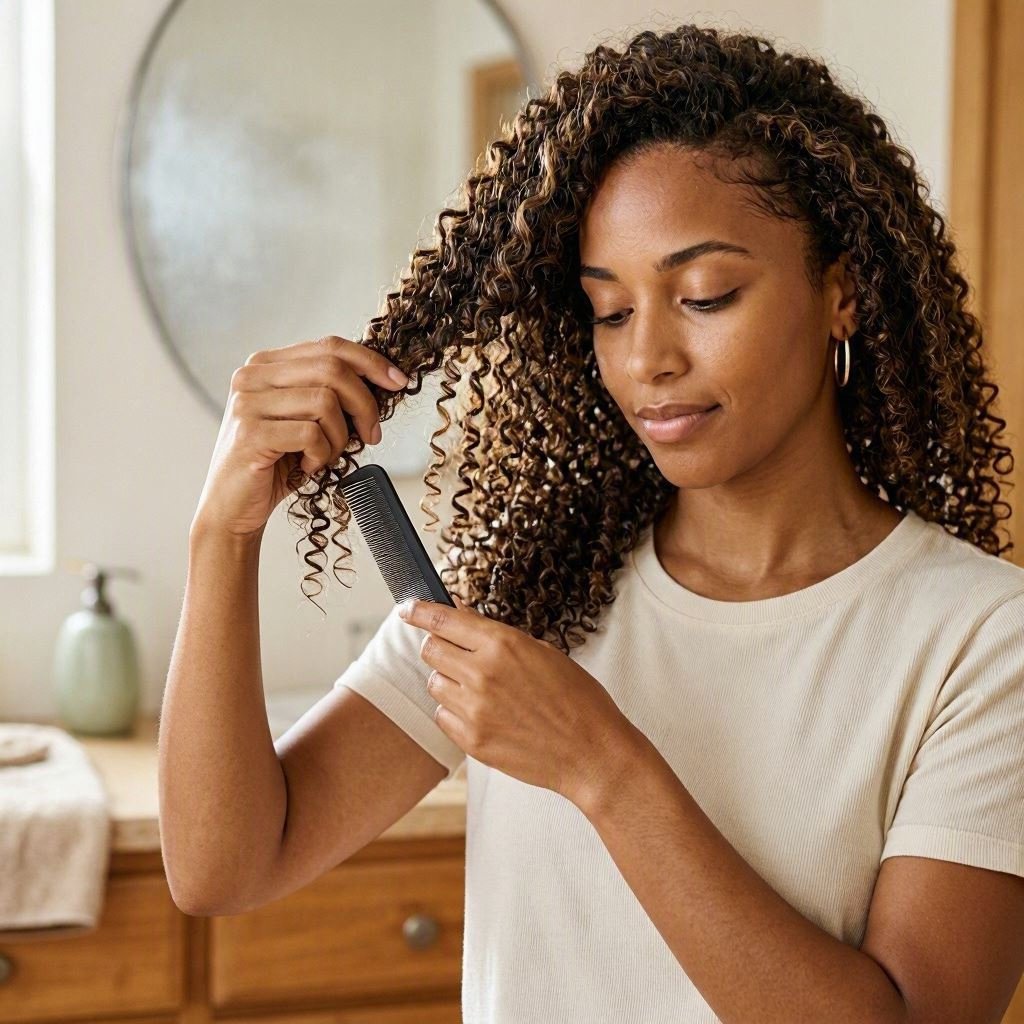
Curly hair often benefits from gentle detangling while damp or wet, particularly when conditioner provides additional slip.
Separate the hair into sections and work gradually from the ends upward.
Brushing dry curls repeatedly can disrupt the curl pattern and increase frizz, so many people prefer to detangle before or during washing rather than brushing their curls throughout the day.
Coily and Highly Textured Hair
Coily and highly textured hair can be particularly prone to dryness and breakage, making gentle handling important.
Work in small sections and avoid forcing a brush through knots. A wide-tooth comb or flexible detangling brush may be useful depending on your hair’s texture and preferences.
Take your time, especially when the hair is tangled.
Common Hair-Brushing Mistakes
Even a good brush can cause unnecessary stress when used incorrectly.
Starting at the Roots
Pulling directly from the roots through a tangled length can tighten knots and increase tension.
Better approach: Start at the ends and gradually work upward.
Brushing Through Knots With Force
If a brush gets stuck, pulling harder is rarely the solution.
Better approach: Hold the hair above the knot and work through it with short, gentle strokes.
Using the Same Technique on Every Hair Type
Straight, wavy, curly, and coily hair do not necessarily respond to the same brushing routine.
Better approach: Adjust when and how you brush according to your texture and styling goals.
Brushing Wet Hair Aggressively
Wet hair can be more vulnerable to mechanical stress.
Better approach: If you need to detangle wet hair, use conditioner or another suitable product for slip and work in sections.
Using a Styling Brush for Detangling
A round brush designed for blowouts is not necessarily the best tool for removing stubborn knots.
Better approach: Use a detangling brush or appropriate comb when your main goal is removing tangles.
Brushing More Than Necessary
More brushing does not automatically equal healthier hair.
Better approach: Brush when you need to detangle, style, or smooth your hair, and avoid unnecessary repeated brushing.
How Often Should You Brush Your Hair?
There is no universal number of times you should brush your hair each day.
Your ideal frequency depends on your hair type, hairstyle, texture, and personal needs.
Straight hair may be brushed daily for styling and detangling, while curly or coily hair may need much less frequent brushing. Some people mainly detangle during wash days, while others need to brush or comb their hair between washes.
The important thing is to avoid treating brushing as a requirement that must be performed a certain number of times.
If your hair is already smooth and tangle-free, there may be no benefit to repeatedly brushing it.
And if you’re also trying to decide how often to wash your hair, your washing schedule and brushing habits can be adjusted independently according to your hair and scalp needs.
How to Keep Your Hairbrush Clean
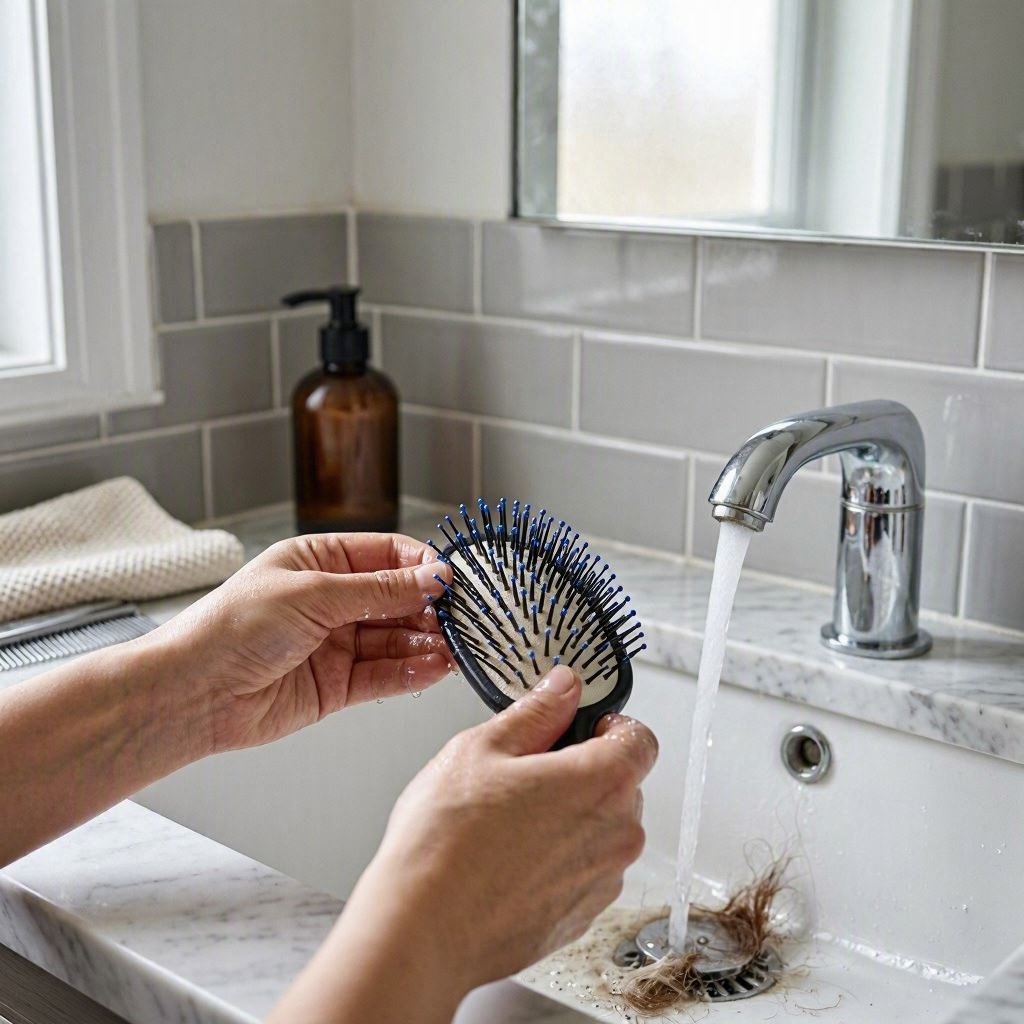
Your brush collects hair, oils, styling products, dust, and other residue over time.
Cleaning it regularly can help keep it from transferring that buildup back onto freshly washed hair.
Start by removing loose strands from the bristles. Depending on the brush, you can then wash it with warm water and a small amount of gentle soap or shampoo.
Do not soak brushes that contain materials that should not be exposed to water for extended periods. Instead, follow the care instructions for the specific brush.
Allow the brush to dry completely before using it again.
How often you need to clean it depends on how frequently you use it and how much product or oil accumulates on it. If you use styling products regularly, you may need to clean it more often.
When to Replace Your Hairbrush
A hairbrush does not last forever.
Inspect it regularly for signs of wear, such as:
- Bent or broken bristles
- Missing bristles
- Cracked or damaged padding
- Rough edges
- Product buildup that cannot be removed
- A brush that repeatedly catches or pulls your hair
A damaged brush can make detangling more difficult and may create unnecessary friction.
Replacing it when it is visibly worn is usually more useful than trying to follow a strict replacement schedule.
A Simple Hair-Brushing Routine
If you want a practical routine to follow, keep it straightforward:
Before brushing: Choose a brush appropriate for your hair type and decide whether your hair should be dry, damp, or wet for the task.
Start at the ends: Gently remove tangles from the bottom of the hair.
Work upward: Move gradually toward the roots rather than pulling through the entire length at once.
Use sections: Divide thick or tangled hair into smaller sections.
Be gentle: Stop when the brush catches instead of forcing it through.
Finish lightly: Once your hair is detangled, stop brushing rather than repeatedly going over the same areas.
The goal is controlled, gentle handling—not a high number of brush strokes.
Frequently Asked Questions
Is it better to brush your hair from the ends or the roots?
Starting at the ends is generally gentler when your hair is tangled. Working upward gradually helps prevent knots from tightening as you brush toward the scalp.
How often should you brush your hair?
There is no universal schedule. Straight hair may be brushed daily, while curly or coily hair may need brushing mainly for detangling and styling. Brush as often as necessary without creating unnecessary pulling or friction.
Is it okay to brush wet hair?
It can be, particularly for curly or textured hair that is easier to detangle when damp or wet. Use a suitable brush or comb, work in sections, and handle the hair gently.
Does brushing your hair cause breakage?
Brushing itself does not necessarily cause breakage, but aggressive brushing, pulling through knots, and excessive mechanical stress can contribute to damage. Gentle technique and an appropriate brush can help reduce unnecessary stress.
What type of brush is best for tangled hair?
A flexible detangling brush can be useful for many types of tangled hair. For curly, coily, or highly textured hair, a wide-tooth comb or a brush designed specifically for detangling may also work well.
How do you clean a hairbrush?
Remove trapped hair first, then clean the brush according to its materials and care instructions. Some brushes can be washed with warm water and gentle soap, while others should not be soaked.
Final Thoughts
Learning how to brush hair properly is mostly about reducing unnecessary tension and choosing a technique that suits your hair.
Start at the ends, work in sections, be gentle with knots, and choose a brush that matches your hair type and purpose. If your hair is curly, coily, fragile, or chemically treated, you may need to be especially careful about when and how you detangle.
You do not need to brush your hair constantly or follow a complicated routine. A thoughtful approach can make detangling easier while helping you avoid unnecessary pulling and rough handling.
The best brushing routine is one that leaves your hair manageable without making the process harder than it needs to be. For more everyday hair care tips, explore our Hair Care category.