Have you ever taken your hair down after wearing it up and wondered, why does my hair hurt? The hair itself cannot feel pain, but the area around the hair roots and scalp can sometimes feel sore, tender, tight, or uncomfortable.
In many everyday situations, that feeling can be connected to the way your hair has been styled, brushed, handled, or weighed down. A tight ponytail, heavy hairstyle, repeated pulling, or rough brushing can all make your hair and scalp feel uncomfortable.
The good news is that you can often make your hair-care routine more comfortable by paying attention to how you handle your hair and how much tension you put on it.
This guide focuses on common hair-care and styling reasons for hair discomfort rather than diagnosing scalp conditions.
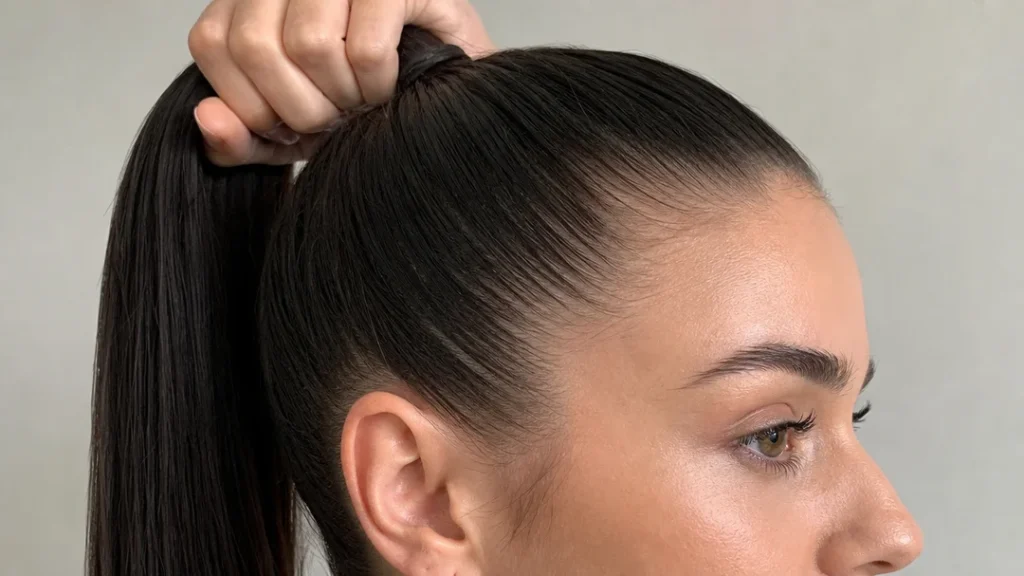
Why Does My Hair Hurt?
When people say their hair hurts, they are usually describing discomfort around the scalp, hair roots, or the areas where the hair is being pulled.
One of the easiest things to notice is whether the discomfort started after a change in your hairstyle or hair-care routine. If your hair feels fine when it is loose but becomes uncomfortable after being pulled into a tight style, the styling itself may be contributing to the problem.
Common hair-care triggers include:
- Tight ponytails, buns, or braids
- Hairstyles that pull around the hairline
- Heavy extensions or added hair
- Keeping your hair in one position for a long time
- Rough or repeated brushing
- Pulling or tugging while detangling
- Styling habits that put repeated tension on the same areas
1. Your Hairstyle May Be Too Tight
One of the most common hair-care reasons for discomfort is simply too much tension.
A sleek ponytail or tightly pulled bun may look polished, but if your hair is being pulled firmly away from its natural position, you may notice tenderness around the scalp or hairline.
This can happen with:
- High ponytails
- Tight buns
- Slicked-back styles
- Tight braids
- Cornrows
- Pulled-back updos
- Styles that use several tight elastics
If your hairstyle feels uncomfortable while you are wearing it, that is useful feedback. You do not need to wait until the style has been in place for hours before loosening it.
Hair-care guidance from L’Oréal Paris recommends avoiding tightly pulled hairstyles and choosing looser options when possible.
If a hairstyle causes discomfort, consider changing it or choosing a looser version rather than continuing to wear it tightly.
How to make a tight hairstyle more comfortable
Try making a few small changes:
- Wear your ponytail or bun lower and looser.
- Avoid pulling the hairline tightly backward.
- Use a softer hair tie rather than wrapping an elastic repeatedly.
- Alternate between updos and loose hairstyles.
- Give your hair a break after wearing a style that created noticeable tension.
A hairstyle can still look neat without feeling tight.
2. Your Hairline May Be Taking Too Much Tension
If you are specifically wondering why does my hairline hurt, look at where your hairstyle is pulling.
The hair around the hairline is often placed under tension when hair is slicked backward, tied into a ponytail, braided, or secured into an updo. This can make the front and sides of the scalp feel particularly sensitive after styling.
Your hairline can also receive repeated tension when you wear the same hairstyle day after day.
For example, wearing a high ponytail every morning may repeatedly pull the same areas backward. Switching your part, changing the height of your ponytail, or wearing your hair loose on some days can reduce that repetitive stress.
If a hairstyle is painful around your edges, do not simply cover the discomfort with more styling product. Loosening the hairstyle is a better first step.
3. Your Hair Roots May Feel Sore After Being Pulled
Sometimes the discomfort seems to come from the roots rather than the whole scalp.
If you search for why does my hair roots hurt, the same basic hair-care question applies: has something recently been pulling, tugging, or weighing down your hair?
Roots can feel particularly noticeable after:
- Removing a tight hairstyle
- Wearing extensions
- Wearing heavy braids
- Keeping a ponytail in the same position for many hours
- Sleeping with hair pulled tightly
- Repeatedly styling the same section of hair
This does not necessarily mean something is wrong with your hair. It can simply be a sign that your recent styling routine has put more tension on the area than usual.
Pay attention to patterns. If the discomfort repeatedly follows one particular hairstyle, that is a useful reason to modify the style.
4. Heavy Extensions or Added Hair Can Increase Pulling
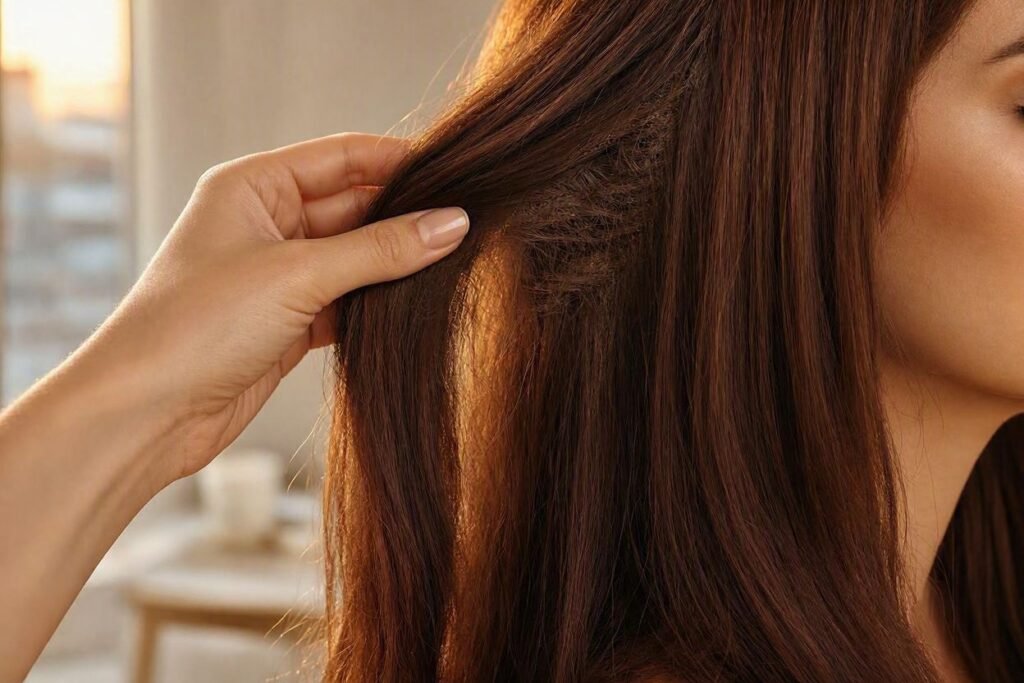
Extensions can change the weight and movement of a hairstyle.
Long or heavy extensions may place additional tension on the natural hair supporting them, particularly when the natural hair is also pulled tightly underneath.
If extensions are part of your routine, consider:
- Choosing lighter extensions when possible
- Avoiding excessive tension during installation
- Paying particular attention to the hairline and edges
- Giving your natural hair breaks between styles
- Changing the style if it becomes uncomfortable
The goal is not to avoid extensions altogether. It is to avoid making your hair work harder than necessary to support the style.
5. Rough Brushing Can Leave Your Hair and Scalp Feeling Uncomfortable
Brushing is another possible source of unnecessary pulling.
If you are forcing a brush through tangles, repeatedly brushing the same section, or starting at the roots when the ends are heavily tangled, you can create more pulling than your hair needs.
That is why brushing technique matters.
For a gentler approach:
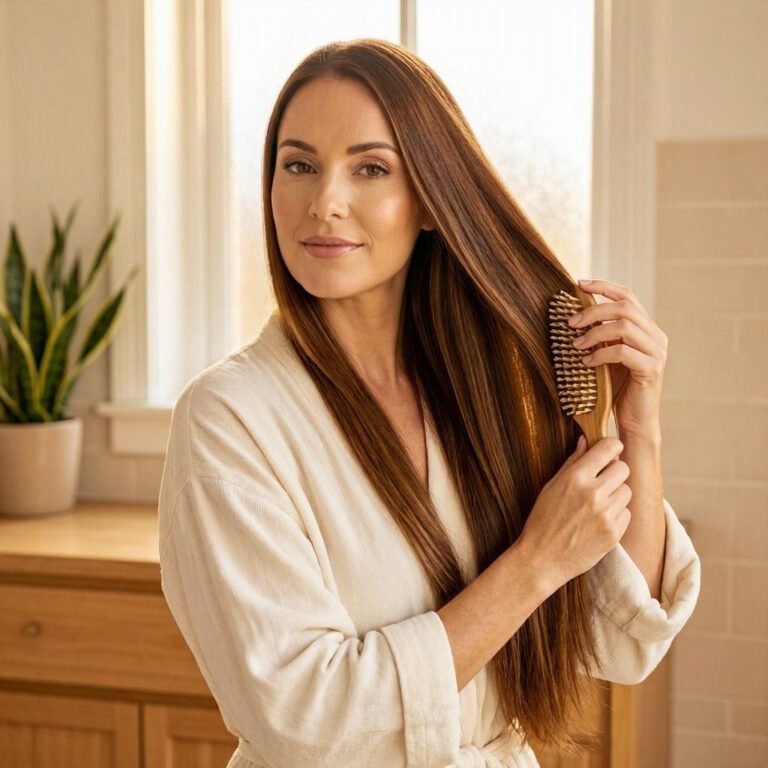
- Start with the ends rather than the roots.
- Work through small sections.
- Hold the hair above a stubborn tangle to reduce pulling at the roots.
- Use slower strokes instead of repeatedly forcing the brush through knots.
- Detangle before trying to create a finished hairstyle.
For a complete guide, see our article on how to brush your hair properly.
6. Keeping Your Hair in One Position for Too Long Can Feel Uncomfortable
Sometimes the issue is not one dramatic styling mistake. It is simply keeping your hair pulled in one direction for a long time.
A hairstyle that feels perfectly comfortable for an hour may feel very different after an entire workday, workout, event, or night out.
You may notice this particularly with:
- High ponytails
- Tight buns
- Braids
- Slicked-back styles
- Hair secured under a hat or other head covering
If you regularly wear your hair up for long periods, consider changing the position of the style throughout the day when practical.
A looser low ponytail may feel different from a high ponytail. Wearing your hair down for part of the day may also give the areas that have been pulled a break.
7. Your Hair-Care Routine May Be Too Rough
Hair discomfort is not always caused by the final hairstyle. The way you wash, dry, detangle, and style your hair can also affect how comfortable your routine feels.
For example, repeatedly tugging through knots, scrubbing aggressively, or handling the hair roughly while wet can add unnecessary stress.
A gentler routine can be surprisingly simple:
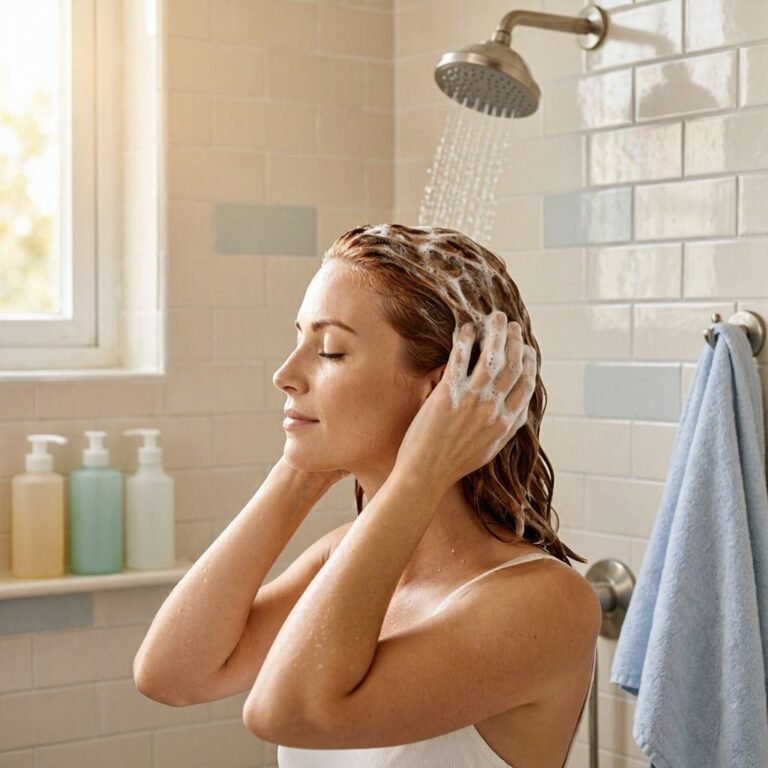
- Wash with your fingertips rather than aggressively scratching.
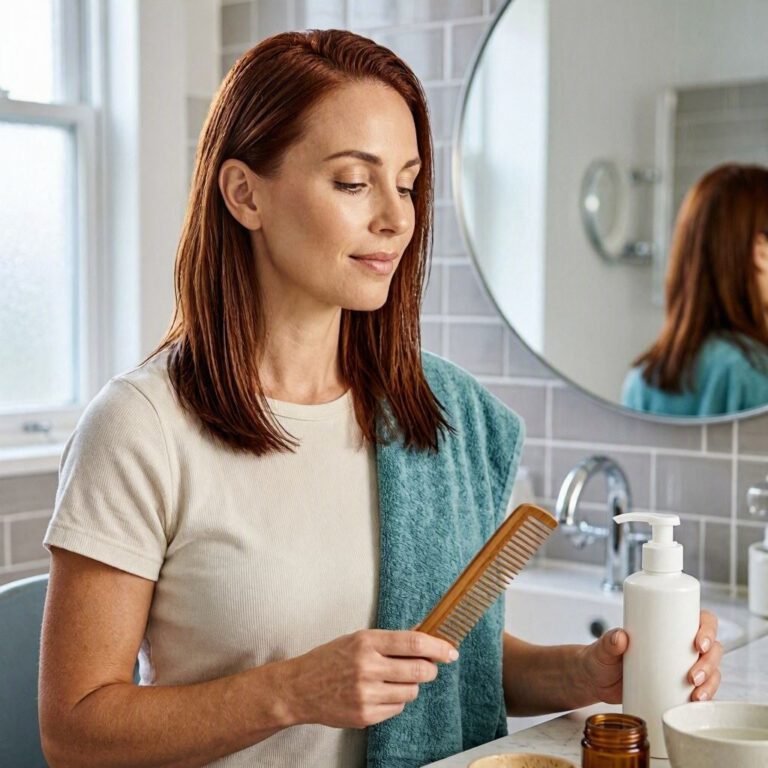
- Avoid forcefully pulling through tangles.
- Use conditioner to make detangling easier.
- Handle wet hair gently.
- Reduce unnecessary brushing.
- Avoid repeatedly manipulating the same section.
- Give your hair a break from tight styling.
If you are still working on the basics of your routine, our guide to building a hair care routine can help you organize the different steps without making your routine complicated.
Why Does My Hairline Hurt After Wearing a Ponytail?
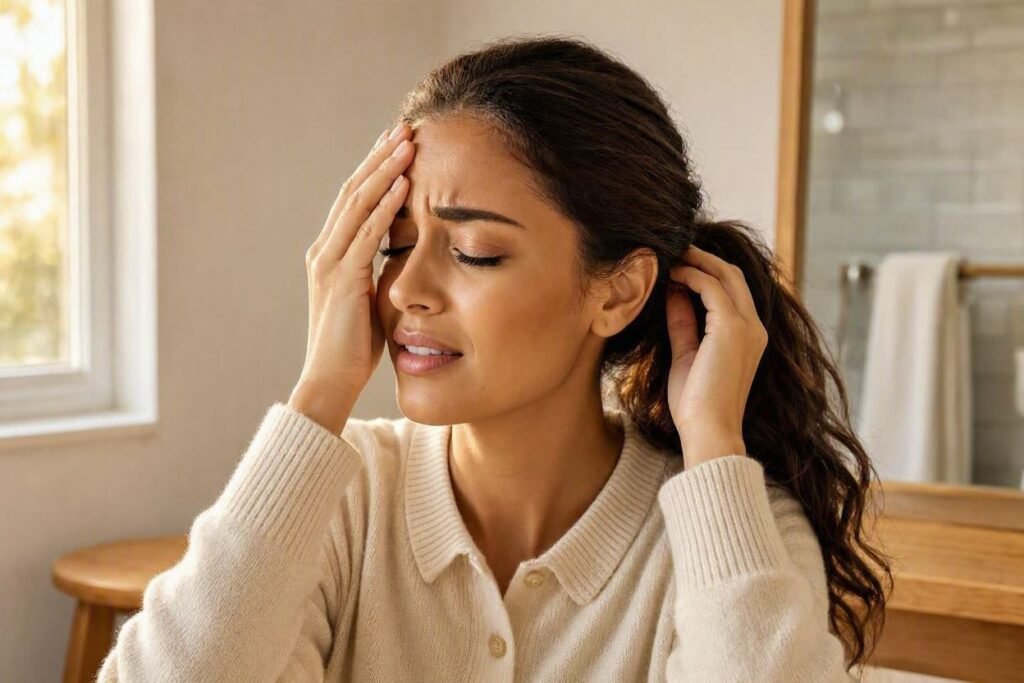
A ponytail can make the hairline feel uncomfortable when the hair is pulled firmly backward for an extended period.
This is particularly noticeable with high or slicked-back ponytails because the front and sides of the hair are held under constant tension.
If you notice discomfort after wearing a ponytail, try:
- Moving the ponytail lower.
- Making it looser.
- Using a softer hair tie.
- Avoiding the same ponytail position every day.
- Wearing your hair down periodically.
Pain is not something you need to accept as part of a hairstyle. If a style hurts, loosen it or change it.
Why Does My Hair Hurt After Taking It Down?
It can feel strange to remove a hairstyle and still notice discomfort afterward.
One reason is that your hair has been held in a particular position for several hours. Once you take it down, the area may remain sensitive for a while.
This is particularly easy to notice after:
- A tight ponytail
- A tight bun
- Braids
- Extensions
- A slicked-back style
- A hairstyle worn for most of the day
Instead of immediately putting your hair into another tight style, give it some time loose.
If this happens regularly, the repeated pattern is more useful to pay attention to than one isolated episode. Your hair may simply be telling you that a particular styling habit is too demanding for your routine.
Common Hair-Care Triggers at a Glance
| Hair-care situation | What you may notice | A simple adjustment |
|---|---|---|
| Tight ponytail | Tenderness around the hairline or scalp | Wear it lower and looser |
| Tight bun | Pulling or soreness after wearing it | Reduce tension and vary the style |
| Tight braids | Discomfort along the braided sections | Ask for less tension |
| Heavy extensions | Increased pulling or discomfort | Choose lighter options and reduce tension |
| Rough brushing | Tugging around tangled sections | Detangle in smaller sections |
| Same hairstyle every day | Repeated discomfort in the same area | Rotate hairstyles |
| Long periods of styling | Hair feels sensitive after removal | Give your hair regular breaks |
| Rough washing or handling | Increased pulling during your routine | Use gentler movements |
How to Prevent Hair Discomfort From Your Routine
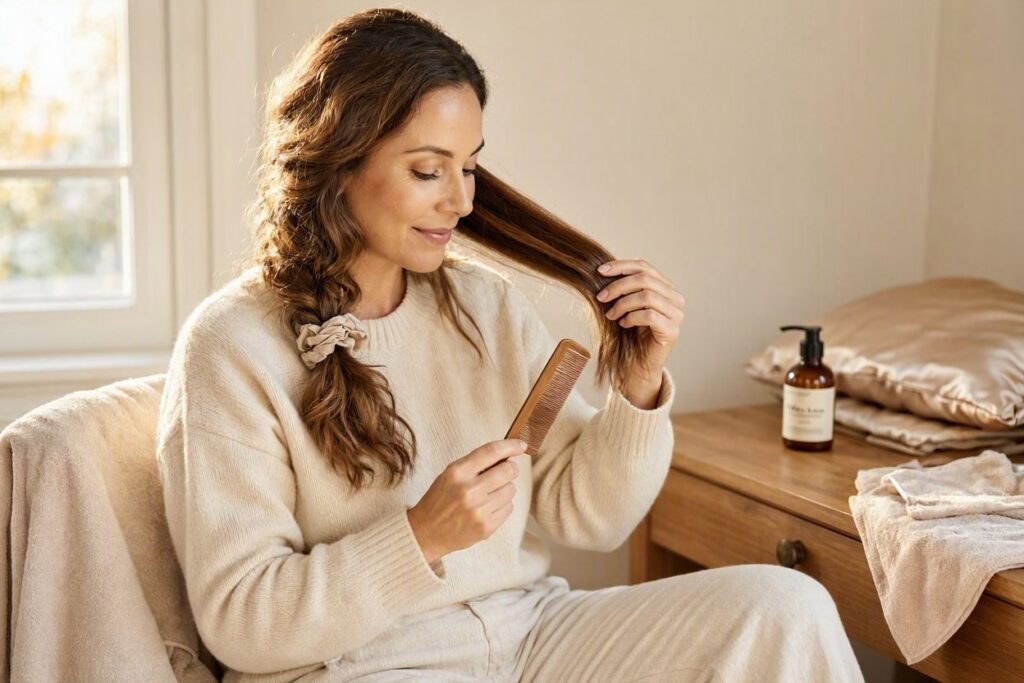
You do not need a complicated hair-care system to reduce unnecessary pulling.
Instead, focus on a few consistent habits.
1. Pay attention to tension
If you can feel your hair being pulled, your style may be tighter than it needs to be.
2. Rotate hairstyles
Changing the position of your ponytail, bun, or part can prevent the same areas from being repeatedly stressed.
3. Be gentle when detangling
Work from the ends upward and avoid forcing a brush through knots.
4. Choose comfort over maximum hold
A hairstyle does not have to be extremely tight to stay in place. If you need a very firm hold every day, consider whether a different style could achieve the same look with less pulling.
5. Give your hair breaks
If you have been wearing your hair up all day, leaving it loose afterward can be a simple way to reduce continued tension.
6. Notice recurring patterns
If the same style repeatedly leaves your hair feeling sore, that is a good reason to change the style rather than simply getting used to the discomfort.
What If My Hair Still Hurts After Changing My Hair Care?
This article is focused on everyday hair-care and styling factors. Not every scalp or hair-related discomfort comes from styling, so persistent or unexplained discomfort should not automatically be blamed on your routine.
In particular, consider getting professional advice if discomfort continues despite changing your hair-care habits, or if it occurs together with noticeable hair loss, significant scalp changes, or other symptoms.
The important distinction is that a hairstyle-related problem should generally give you something practical to change: less tension, gentler brushing, fewer repeated styles, or a different way of handling your hair.
If changing those habits makes no difference, that is a reason not to keep experimenting with increasingly complicated hair products or routines.
Frequently Asked Questions
Why does my hair hurt after wearing it up?
Your hair may feel uncomfortable after wearing it up because a tight ponytail, bun, braid, or other style can put tension on the hair and scalp. Loosening the style and changing hairstyles regularly can help reduce repeated pulling.
Why does my hairline hurt after wearing a ponytail?
Your hairline may feel sore after wearing a ponytail because the hair around the front and sides of your head can be pulled backward for an extended period. Try wearing your ponytail lower and looser, and avoid using the same tight style every day.
Why do my hair roots hurt after taking my hair down?
Hair roots may feel sore after removing a hairstyle that has kept the hair pulled in one direction for several hours. Tight ponytails, buns, braids, extensions, and other styles can leave the area feeling sensitive even after the hair is released.
Can tight hairstyles make your hair hurt?
Yes. Tight hairstyles can make the area around the hair roots and scalp feel sore or uncomfortable because of repeated pulling and tension. If a hairstyle hurts while you are wearing it, loosening or changing the style is a good place to start.
How can I prevent my hair from hurting?
You can reduce hair discomfort by wearing hairstyles more loosely, rotating your hairstyles, avoiding repeated pulling, detangling gently, and giving your hair regular breaks from tight styles. Paying attention to which hairstyles repeatedly cause discomfort can also help you adjust your routine.
Final Thoughts
So, why does my hair hurt?
In many everyday hair-care situations, the answer can be as simple as too much pulling, tension, weight, or repeated manipulation. Tight ponytails and buns, braids, extensions, rough brushing, and wearing the same style for long periods can all make your hair and scalp feel uncomfortable.
The easiest place to start is with your styling habits.
Loosen hairstyles that feel tight, vary where you position your ponytail or bun, be gentler when brushing and detangling, and give your hair regular breaks from tension.
Your hair does not need to feel uncomfortable for a hairstyle to look polished. A good hair-care routine should help your hair look good and make it easier to handle comfortably.