A good hair care routine does not have to be complicated. The right combination of cleansing, conditioning, protection, and regular maintenance can help your hair look healthier, feel softer, and become easier to manage.
The key is to build a routine around your hair type, scalp needs, and styling habits rather than following every trend you see online. Fine hair may need lightweight products and less frequent conditioning, while dry, curly, or damaged hair often benefits from more moisture and extra protection.
Whether you are starting from scratch or trying to improve your current routine, these seven essential steps can give you a simple framework to follow.
1. Understand Your Hair and Scalp
Before choosing products, take a close look at your hair and scalp. Your routine should address what your hair actually needs.

Start by considering your hair type. Hair can be straight, wavy, curly, or coily, and each type tends to respond differently to products and styling techniques. Hair texture also matters. Fine strands can become weighed down easily, while coarse hair may need richer conditioning.
Your scalp is just as important. Think about whether it tends to feel:
- Oily soon after washing
- Dry or tight
- Comfortable and balanced
- Flaky or prone to buildup
You should also consider your hair’s current condition. Frequent coloring, bleaching, heat styling, swimming, and chemical treatments can leave hair more vulnerable to dryness and breakage.
Once you understand these factors, it becomes much easier to decide how often to wash, what type of conditioner to use, and which styling products make sense for you.
Why Your Hair Needs Can Change
Your ideal routine is not necessarily permanent. Hair can behave differently as the seasons change, as it grows longer, or after coloring and other treatments.
For example, you may need more moisture during cold, dry weather, while humid conditions can make frizz more noticeable. If your scalp becomes oilier during warmer months, you may also prefer to wash more frequently.
Think of your routine as something you can adjust rather than a fixed set of rules.
2. Choose the Right Shampoo
Cleansing is the foundation of a basic hair care routine because shampoo removes excess oil, sweat, dirt, and product buildup from the scalp and hair.
However, washing your hair too aggressively can leave it feeling dry and rough. The goal is to clean the scalp effectively without unnecessarily stripping the hair.
Choose a shampoo based primarily on your scalp and hair needs.
| Hair or scalp concern | What to look for |
|---|---|
| Oily scalp | A lightweight cleansing formula |
| Dry hair | A gentle, moisturizing shampoo |
| Fine hair | Lightweight formulas that do not leave heavy residue |
| Curly or coarse hair | Gentle cleansing with added moisture |
| Product buildup | Occasional deeper cleansing when needed |
| Color-treated hair | Products formulated to help maintain treated hair |
You do not necessarily need to shampoo your hair every day. Some people need frequent washing because their scalp becomes oily quickly, while others can comfortably go several days between washes.
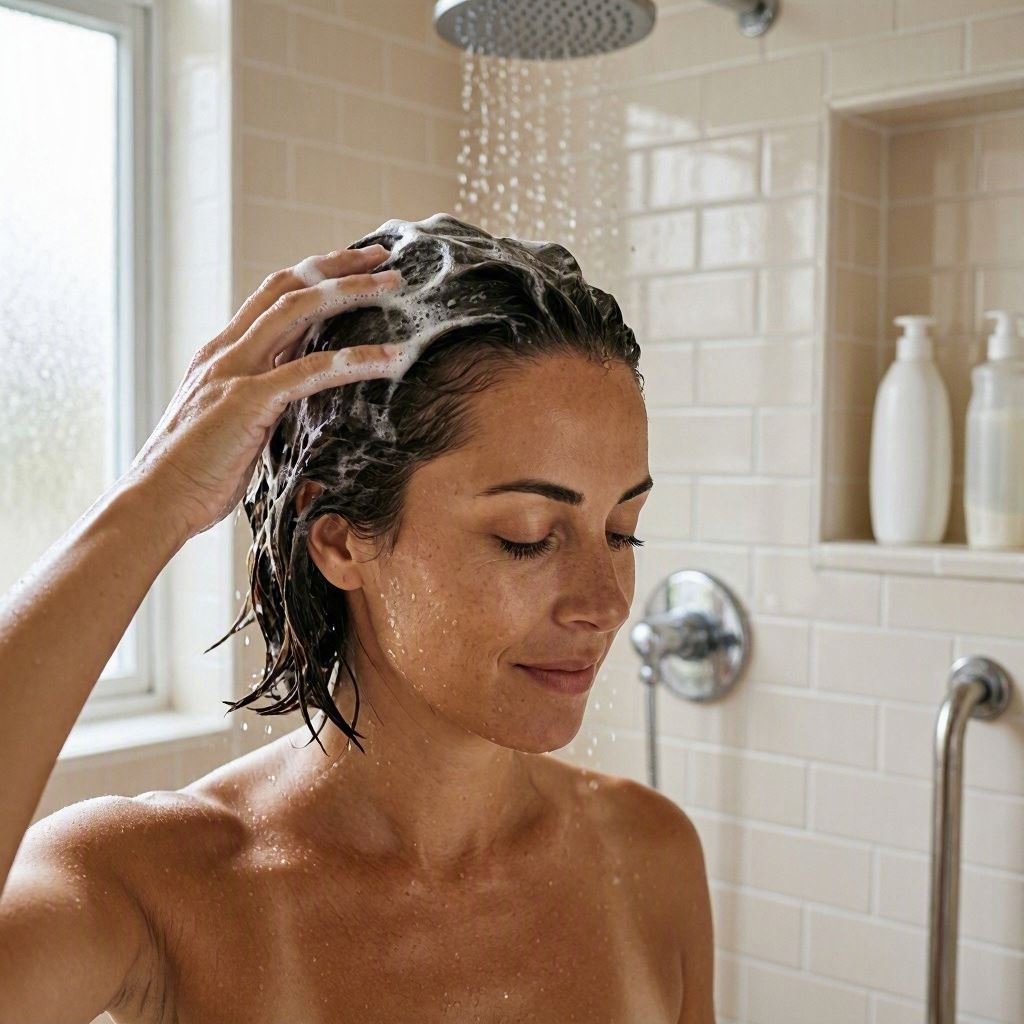
When washing, concentrate the shampoo on your scalp and roots rather than vigorously scrubbing the lengths. The shampoo that runs through the hair as you rinse is usually enough to cleanse the rest.
Use your fingertips rather than your fingernails and massage gently. This helps distribute the shampoo without unnecessarily irritating the scalp.
3. Condition After Washing
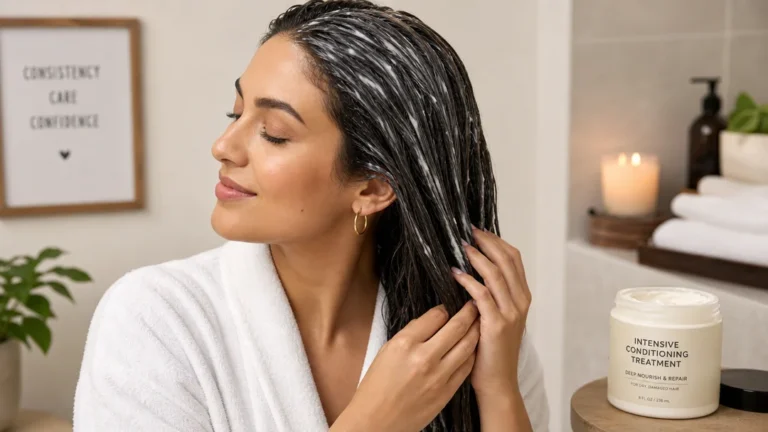
Conditioner helps improve the feel and manageability of your hair after cleansing. It can make strands feel smoother, reduce tangling, and make brushing easier.
Apply conditioner primarily to the mid-lengths and ends, especially if your roots become oily easily. If your hair is particularly dry or coarse, you may be comfortable applying conditioner closer to the roots, but avoid using more product than you need.
Leave it on for the amount of time recommended on the product, then rinse thoroughly.
Conditioner Is Not One-Size-Fits-All
Fine hair may become limp when a rich conditioner is used too heavily. Dry, curly, or damaged hair may need a more nourishing formula.
If your hair feels:
- Heavy or greasy: Try less conditioner or a lighter formula.
- Dry or rough: Consider a richer conditioner.
- Tangled: Look for a formula that improves slip and detangling.
- Soft but flat: Reduce the amount and focus on the ends.
You can also incorporate a hair mask occasionally if your hair needs additional conditioning. It does not have to replace your regular conditioner every time you wash.
4. Handle Wet Hair Gently
One of the easiest parts of a hair care routine to overlook is what happens immediately after washing.
Wet hair is more vulnerable to stretching and mechanical damage, so avoid aggressively rubbing it with a towel. Instead, gently squeeze out excess water and use a soft towel or T-shirt to blot your hair.
Be careful when detangling, too.
If your hair is prone to tangling, start at the ends and gradually work upward toward the roots. Trying to pull a brush through a large knot from the top can create unnecessary tension and breakage.
A wide-tooth comb can be useful for detangling, particularly for curly or textured hair. Whatever tool you use, work slowly rather than forcing through stubborn knots.
Your Hairbrush Matters
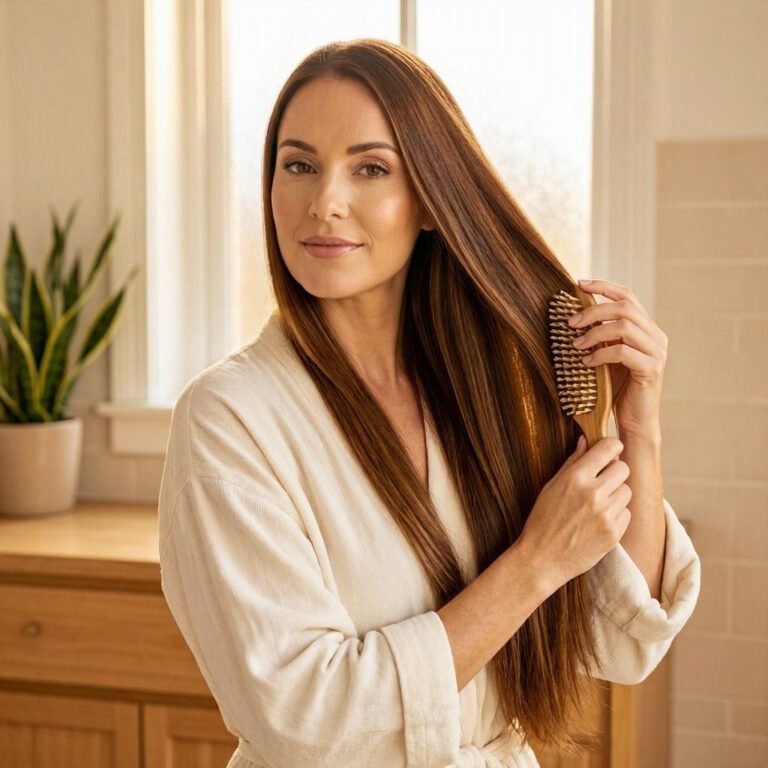
Choose a brush or comb based on your hair’s texture and styling needs. There is no single brush that works perfectly for everyone.
If your hair is fine or fragile, gentle handling is more important than aggressively trying to remove every tangle in one pass.
The same principle applies when putting your hair up. Avoid repeatedly pulling it into very tight styles if they cause discomfort or noticeable tension.
5. Protect Your Hair From Heat
Heat styling can make it easier to achieve the look you want, but frequent high-heat styling can contribute to dryness and damage. The American Academy of Dermatology also recommends limiting heat styling and using low or medium heat settings to help reduce hair damage.
If you regularly use a blow dryer, straightener, or curling iron, make heat protection part of your routine.
A heat protectant can help reduce the impact of heat on the hair when used according to the product’s directions. It does not make unlimited heat styling harmless, though.
A few simple habits can also help:
- Use the lowest effective heat setting.
- Avoid repeatedly passing a hot tool over the same section.
- Allow hair to dry partially before using a blow dryer when practical.
- Keep hot tools moving instead of holding them on one area.
- Follow the instructions for your styling products.

If you rarely use heat, you may not need an elaborate collection of heat-styling products. The most important step is reducing unnecessary exposure.
6. Protect Your Hair Between Washes
Your routine does not stop when you leave the bathroom. How you treat your hair throughout the day can also affect its condition.
If your hair is exposed to intense sunlight for extended periods, consider physical protection such as a hat. Swimming can also expose hair to chlorine or salt water, so rinsing your hair with fresh water afterward can be helpful.
Your hairstyle matters as well. Repeatedly wearing very tight ponytails, buns, or other styles that create tension can put unnecessary stress on the hair.
At night, avoid going to bed with soaking-wet hair if possible. Wet hair is more vulnerable to mechanical stress, and tossing and turning can create additional tangling.
Long hair may also benefit from being loosely secured before sleeping if that helps prevent tangles. The important word is loosely—a tight hairstyle can create unnecessary tension.
Be Careful With Product Buildup
Styling creams, oils, dry shampoo, sprays, and other products can accumulate over time.
If your hair starts feeling unusually heavy, coated, dull, or difficult to clean, buildup may be contributing to the problem. Adjust your cleansing routine as needed rather than automatically adding more products.
More products do not necessarily mean healthier-looking hair.
7. Keep Up With Regular Maintenance
A successful hair care routine is less about doing everything perfectly and more about being consistent.
Regular trims can help keep the ends looking neat and make it easier to manage split or damaged ends. A haircut cannot repair a damaged strand, but trimming can remove worn ends and maintain the shape of your hairstyle.
How often you need a trim depends on your hairstyle, hair length, growth, and personal preference. There is no universal schedule that everyone needs to follow.
You should also pay attention to changes in your hair and scalp over time.
If your usual products suddenly stop working, ask yourself whether something has changed. Your hair may be longer, you may have colored it, your styling habits may be different, or the weather may have changed.
Instead of constantly replacing products, first identify what has actually changed.
A Simple Hair Care Routine to Follow
If you want to keep things simple, your routine can be much shorter than the long product lists often seen online.
Wash Day
1. Cleanse: Shampoo your scalp according to how oily or dirty it becomes.
2. Condition: Apply conditioner to the lengths and ends.
3. Detangle gently: Remove knots carefully, starting at the ends.
4. Dry carefully: Blot rather than aggressively rubbing with a towel.
5. Protect: Apply heat protectant if you plan to use heat styling.
Between Washes
1. Avoid unnecessary manipulation.
Try not to constantly brush, pull, or restyle your hair.
2. Manage buildup.
Use styling products thoughtfully and adjust cleansing when your hair begins to feel coated.
3. Protect your hair.
Consider hats or other physical protection during prolonged sun exposure and take care around chlorine and salt water.
4. Pay attention to your scalp.
Changes in oiliness, dryness, or irritation may mean your routine needs adjusting.
How Often Should You Wash Your Hair?
If you’re unsure how often to wash your hair, start with your scalp and hair type, then adjust your schedule based on how your hair responds. There is no single washing schedule that works for everyone.
Your ideal frequency depends on factors such as scalp oiliness, hair texture, activity level, styling products, and personal preference.
Someone with an oily scalp may prefer frequent washing, while someone with dry or textured hair may find that less frequent washing works better.
Rather than following a strict rule, pay attention to how your scalp and hair respond.
Signs that you may need to wash more frequently can include noticeable oiliness, sweat, odor, or significant product buildup. On the other hand, if your hair consistently feels excessively dry after washing, you may need to reconsider how often you wash or which cleansing products you use.
Common Hair Care Routine Mistakes
Building a routine is easier when you know what to avoid.
Washing Too Aggressively
Scrubbing your scalp harshly or repeatedly shampooing the lengths can leave hair feeling dry and rough. Focus on gently cleansing the scalp.
Using Too Much Product
More conditioner, oil, or styling product does not automatically produce better results. Excess product can weigh hair down or contribute to buildup.
Start with a small amount and add more only when necessary.
Applying Conditioner Everywhere
For many people, applying a rich conditioner directly to the roots can make the hair look greasy or flat. Concentrating it on the lengths and ends is often a better starting point.
Brushing Too Roughly
Pulling through knots can cause unnecessary breakage. Detangle gradually, beginning at the ends.
Using Excessive Heat
High temperatures and repeated heat styling can contribute to hair damage. Reduce the temperature and frequency whenever practical.
Changing Products Constantly
It can be tempting to buy a new product every time your hair does not behave exactly as you want. But changing several products at once makes it difficult to know what is actually helping.
Give a routine enough time to evaluate how your hair responds, unless a product causes irritation or another obvious problem.
How to Build a Hair Care Routine for Your Hair Type
Your routine should ultimately reflect your individual hair rather than a generic checklist.
Straight Hair
Straight hair can show oil and buildup relatively quickly, especially when the strands are fine. A lightweight shampoo and conditioner may help prevent the hair from becoming weighed down.
Wavy Hair
Wavy hair often benefits from enough moisture to maintain definition without becoming heavy. Gentle cleansing and lightweight conditioning can be a good starting point.
Curly Hair
Curly hair often needs extra attention to moisture and gentle handling. Avoiding excessive brushing and using conditioner consistently can help with manageability and definition.
Coily or Very Textured Hair
Coily hair can be particularly vulnerable to dryness and breakage, making gentle handling and adequate conditioning especially important. Detangling carefully and minimizing unnecessary manipulation can help protect the hair.
Remember that hair texture is only one part of the equation. Two people with the same curl pattern can still have very different needs because of differences in density, porosity, chemical treatments, styling habits, and scalp condition.
Build a Routine You Can Actually Maintain
The best routine is one you can realistically follow.
You do not need ten different products, complicated schedules, or a bathroom shelf full of treatments. Start with the basics:
Cleanse → Condition → Detangle gently → Protect from heat → Protect between washes → Maintain regularly.
Then adjust based on what your hair tells you.
If your hair feels healthy, manageable, and comfortable, there may be no reason to keep adding steps. If it becomes dry, weighed down, tangled, or difficult to style, make one change at a time and observe the result.

A consistent, simple approach will usually be more useful than constantly chasing new trends. If you’re looking for products to build your routine, you can browse a range of hair care products and choose what fits your hair type and styling needs.
Frequently Asked Questions
What should a basic hair routine include?
A basic hair care routine should include cleansing the scalp, conditioning the hair, gentle detangling, and protection from excessive heat and styling damage. The exact products and frequency should depend on your hair type, scalp, and styling habits.
How often should I wash my hair?
There is no universal washing schedule. People with oilier scalps may need to wash more frequently, while those with dry, curly, or textured hair may prefer less frequent washing. Adjust your routine based on how your scalp and hair feel rather than following a fixed rule.
Should I condition my hair every time I wash it?
Conditioning after washing can help improve softness, manageability, and detangling. Most people can benefit from regular conditioning, although the amount and type of conditioner should be adjusted according to their hair texture and needs.
How can I protect my hair from heat?
Use a heat-protectant product before heat styling and avoid unnecessarily high temperatures. Limiting how often you use straighteners, curling irons, and other hot tools can also reduce exposure to heat.
Can I use the same hair care routine all year?
You can keep the basic structure of your routine throughout the year, but you may need to adjust individual products or habits as weather, humidity, activity level, or your hair’s condition changes. Pay attention to how your hair and scalp respond and make small adjustments when needed.
Final Thoughts
Creating a hair care routine is really about understanding what your hair and scalp need and giving them consistent care. Start with the essentials: choose an appropriate shampoo, condition your hair, handle it gently when wet, protect it from excessive heat, and pay attention to maintenance.
You can always add specialized products or treatments later if you have a specific need. But a complicated routine is not automatically a better one.
Focus on the basics, make adjustments when your hair changes, and give your routine time to become a habit. With the right approach, taking care of your hair can become a simple part of your everyday routine rather than another complicated task.